Ein Euro-VI-Lkw, der 500 Kilometer durch Deutschland fährt, zahlt seit Juli 2024 rund 174 € Lkw-Maut. Für dieselben 500 Kilometer in Österreich werden 286,20 € GO-Maut fällig. Frankreich und Belgien erheben auf langen Strecken ähnliche Beträge, und ab dem 1. Juli 2026 führt auch die Niederlande eine eigene Kilometerabgabe ein: 0,201 € pro Kilometer für einen schweren Euro-VI-Zug über 32 Tonnen.
Das sind die Zahlen, die still und leise die Wirtschaftlichkeit des Fahrzeugtransports neu definiert haben. Ein Autotransporter, der 2026 halb leer fährt, muss diese Rechnung auf weniger Fahrzeuge umlegen als ein voll beladener Lkw. Die Margen schmelzen nicht durch einen einzigen großen Schock dahin, sondern durch Dutzende kilometerabhängige Gebühren, die für sich genommen vertretbar erscheinen, zusammen aber den Markt neu gestalten.
Fünf Länder - eine gemeinsame Richtung
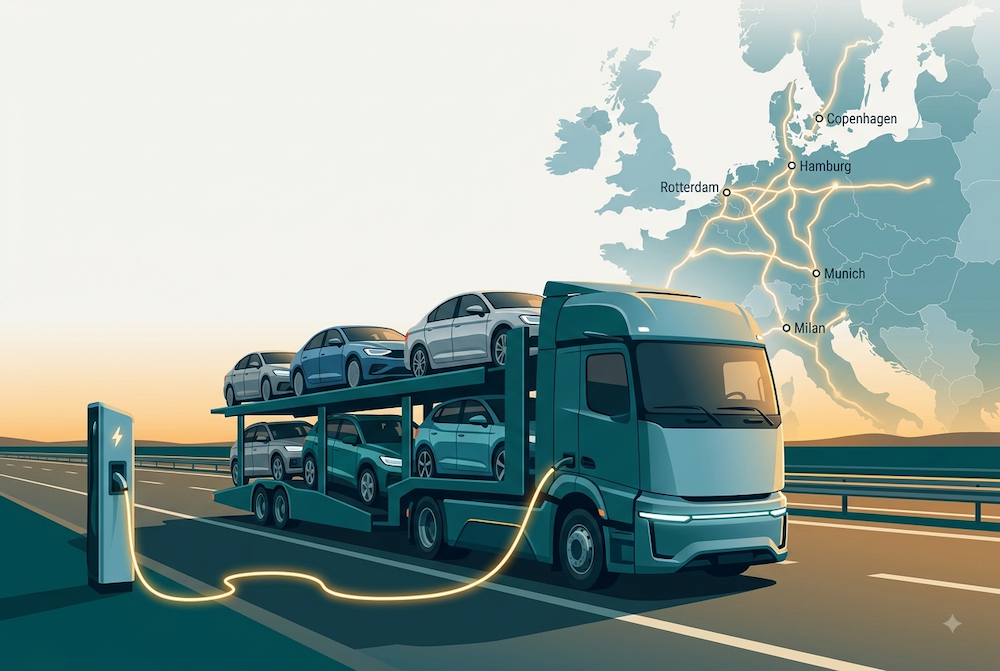
Die Tarife unterscheiden sich je nach Land und Fahrzeugtyp, doch die zugrunde liegende Entwicklung ist überall dieselbe: Kilometergesteuerte Abgaben werden zum Standard, mit einer starken CO₂-Differenzierung als Steuerungsmechanismus.
Deutschland. Seit dem 1. Juli 2024 wendet Toll Collect für schwere Euro-VI-Kombinationen der CO₂-Klasse 1 Tarife von 0,303 € bis 0,348 € pro Kilometer an. Der genaue Satz hängt von der Zahl der Achsen und vom Gewicht ab. Eine 500-Kilometer-Strecke kostet etwa 174 € Maut. Für bessere CO₂-Klassen gelten niedrigere Sätze, für ältere Euro-Klassen höhere.
Österreich. Im Jahr 2026 gilt bei der GO-Maut ein Tarif von 0,5724 € pro Kilometer ohne Mehrwertsteuer für schwere Euro-VI-Kombinationen mit vier oder mehr Achsen der CO₂-Klasse 1. Auf einer Strecke von 500 Kilometern beläuft sich die Maut auf 286,20 €. Auf dem Inntalabschnitt der Autobahn A12 gilt ein Aufschlag von 25 %. Für eine Transitroute durch Österreich fällt die tatsächliche Maut daher oft höher aus, als dieser Basistarif vermuten lässt.
Frankreich. Frankreich setzt auf ein Konzessionsmodell: Autobahnen werden von privaten Betreibern wie Vinci, APRR und Eiffage betrieben. Schwere Autotransporter fallen unter die Fahrzeugklasse 4. Die Tarife stiegen 2026 in den großen Konzessionsnetzen um durchschnittlich 0,86 %. Hinzu kommt, dass in 25 aktiven Umweltzonen (ZFE) Crit’Air-Plaketten erforderlich sind und für Fahrzeuge über 7,5 Tonnen von Samstag 22 Uhr bis Sonntag 22 Uhr ein nationales Wochenendfahrverbot gilt. Die Mautkosten in Frankreich sind daher weniger vorhersehbar als in Deutschland oder Österreich, liegen auf langen Transitstrecken letztlich aber in einer ähnlichen Größenordnung.
Belgien. Die Viapass-Kilometerabgabe gilt für Fahrzeuge ab 3,5 Tonnen. Die Tarife für 2026 unterscheiden sich je nach Region: Ein Euro-VI-Fahrzeug über 32 Tonnen zahlt in Flandern 0,204 € pro Kilometer, in Wallonien 0,194 € und in der Region Brüssel-Hauptstadt 0,267 €. Eine Transitstrecke von Antwerpen über Brüssel nach Lüttich durchläuft somit drei verschiedene Tarifstufen innerhalb einer einzigen belgischen Etappe. Ausländische Fahrzeuge, die nach Brüssel einfahren, unterliegen zudem der Registrierungspflicht im Rahmen der regionalen Umweltzone; Bußgelder für nicht konforme Fahrzeuge können bis zu 350 € betragen.
Niederlande. Ab dem 1. Juli 2026 gilt die niederländische Lkw-Maut für Fahrzeuge der Klassen N2 und N3 ab 3.500 Kilogramm. Ein Euro-VI-Gespann über 32 Tonnen zahlt in der CO₂-Klasse 1 0,201 € pro Kilometer. Eine vollelektrische Variante zahlt 0,038 €. Die Eurovignette läuft zum gleichen Zeitpunkt aus.
Auffällig ist nicht die Höhe eines einzelnen Tarifs, sondern die gemeinsame Ausrichtung: Nahezu jeder europäische Verkehrskorridor wird 2026 kilometerabhängig bepreist, mit Aufschlägen für ältere oder umweltschädlichere Fahrzeuge.
Wie sich dies auf den Preis pro Fahrzeug auswirkt
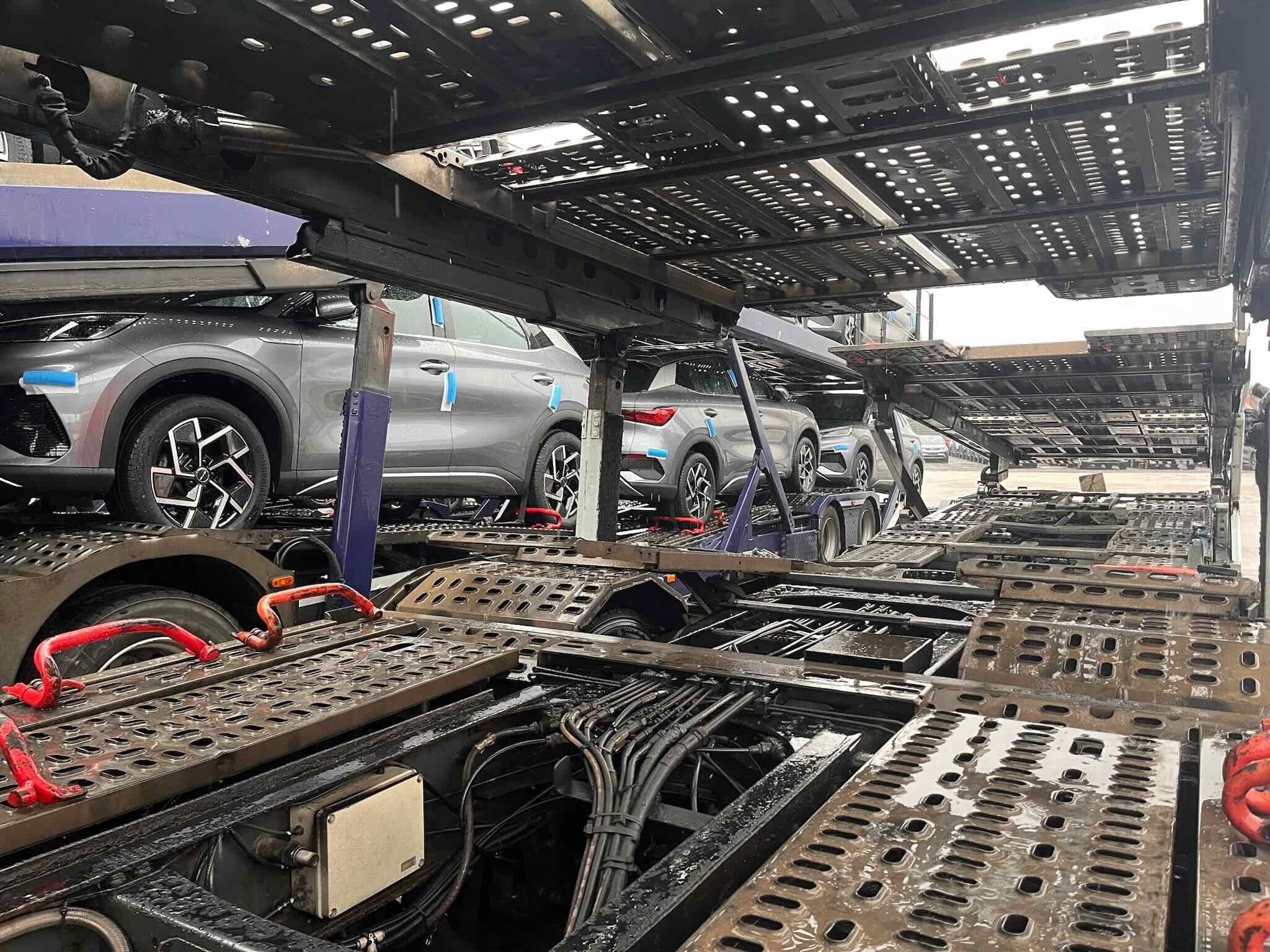
Ein Autotransporter lädt in der Praxis je nach Modell und Strecke zwischen fünf und neun Fahrzeuge. Eine 500 Kilometer lange Strecke durch Deutschland kostet dann allein an Maut:
- bei 9 Fahrzeugen: ca. 19 € pro Fahrzeug
- bei 7 Fahrzeugen: ca. 25 € pro Fahrzeug
- bei 5 Fahrzeugen: ca. 35 € pro Fahrzeug
Dieselbe Strecke durch Österreich:
- bei 9 Fahrzeugen: ca. 32 € pro Fahrzeug
- bei 7 Fahrzeugen: ca. 41 € pro Fahrzeug
- bei 5 Fahrzeugen: ca. 57 € pro Fahrzeug
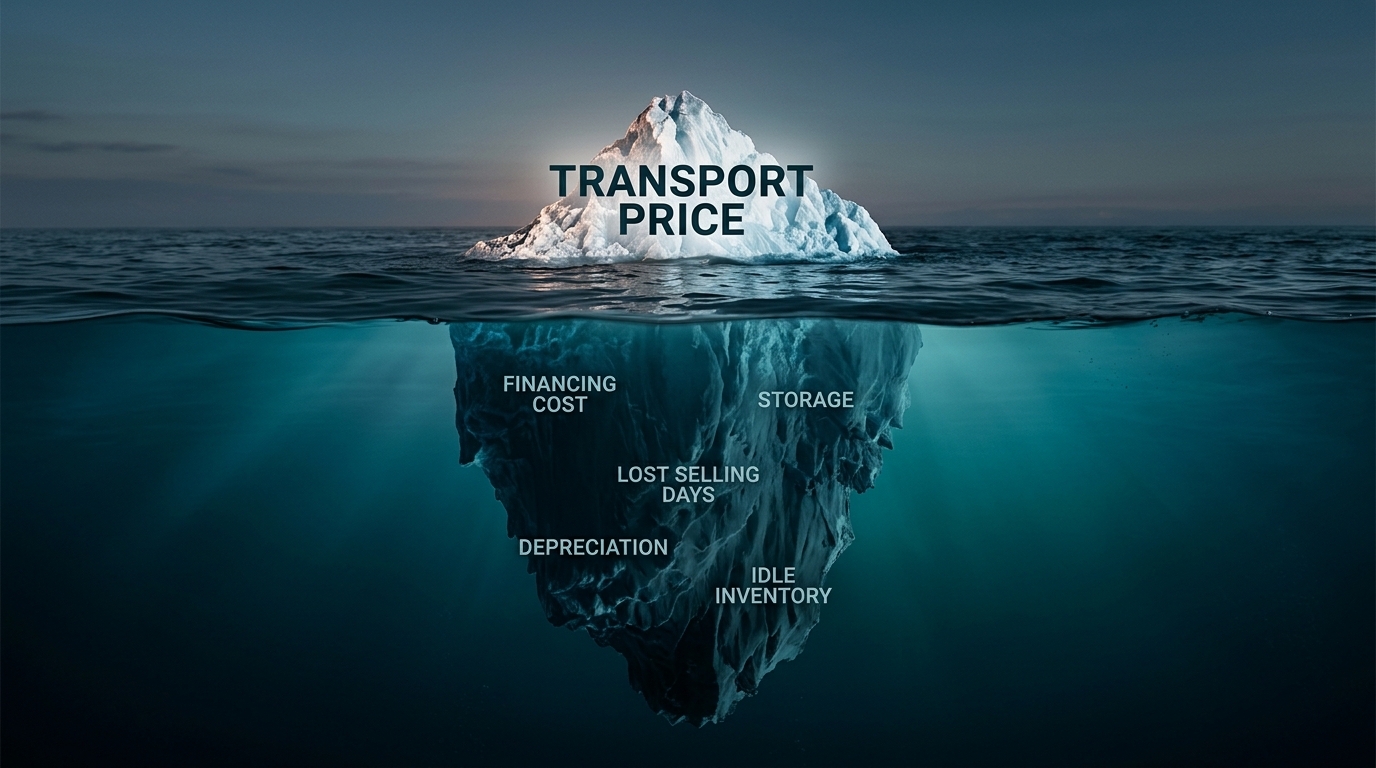
Dies sind reine Mautkosten. Kraftstoff, Fahrerlöhne, Abschreibungen, Versicherungen und Gewinnspanne müssen hinzugerechnet werden. Das relative Muster bleibt jedoch bestehen: Jeder ungenutzte Fahrzeugplatz treibt die Mautkosten pro geladenem Fahrzeug in die Höhe. Bei Spezialtransporten für ein oder zwei Fahrzeuge steigt die Maut pro Fahrzeug schnell auf das Drei- bis Vierfache des Betrags bei voller Beladung.
Warum sich 2026 grundlegend von 2021 unterscheidet
Im Jahr 2021 konnte ein leerer Autotransporter durch die Niederlande fahren, ohne für die Straßennutzung streckenabhängig zu bezahlen. Die Eurovignette sah einen festen Jahresbetrag vor, unabhängig von der zurückgelegten Strecke. Leerfahrten waren ein betriebliches Problem – schlecht für den Kraftstoffverbrauch und den Verschleiß –, aber selten ein direkt ausgewiesener Kostenposten.
Das ändert sich ab dem 1. Juli 2026. Leerkilometer werden in der Mautrechnung bis auf den Cent genau ausgewiesen. Ein Spediteur, der auf einer Strecke von Eindhoven nach Frankfurt 270 Leerkilometer durch die Niederlande fährt, zahlt etwa 54 € Lkw-Maut, ohne dafür eine Gegenleistung zu erhalten. Auf der Rückfahrt durch Deutschland kommen bei 300 Leerkilometern weitere rund 100 € hinzu. Eine typische Leerfahrt oder Rückfahrt wird 2026 150 bis 200 € kosten, ohne dass jemand dafür bezahlt.
Für Transportpartner bedeutet dies, dass Leerfahrten von einem „notwendigen Übel“ zu einem direkten Verlust geworden sind. Für Verlader bedeutet es, dass sich die Preisgestaltung der Spediteure verschieben wird: Wer Volumen garantieren kann oder auf bereits laufende Kapazitäten aufspringt, erhält strukturell andere Tarife als jene, die ad hoc eine dedizierte Fahrt buchen.
CO₂-Differenzierung als Beschleuniger
Alle fünf Mautsysteme belohnen sauberere Fahrzeuge und verteuern ältere. In den Niederlanden zahlt ein vollelektrischer Lastzug über 32 Tonnen 0,038 € pro Kilometer; die Dieselversion 0,201 €. Das ist ein Unterschied um den Faktor fünf. Deutschland und Österreich wenden eine ähnliche Differenzierung anhand von CO₂-Klassen an. Frankreich setzt die Differenzierung über Crit’Air-Zonen um, Belgien über Emissionsklassen im Rahmen des Viapass-Systems.
Dies schafft eine zweite Ebene in der Kostenstruktur. Kurzfristig stellt sich die Frage, wie vorhandene Kapazitäten genutzt werden sollen? Mittelfristig – sobald Elektro-Lkw auf bestimmten Korridoren realistisch werden – verlagert sich die Frage auf die Wahl des richtigen Fahrzeugs für die richtige Strecke. Wer heute über Transportstrategien nachdenkt, kann diese beiden Entwicklungen nicht getrennt betrachten.
Was Verlader und Spediteure daraus machen können
Für ein Automobilunternehmen, das 2026 Fahrzeuge quer durch Europa transportiert, ergeben sich drei praktische Schlussfolgerungen:
Erstens: Ein Angebot ohne Aufschlüsselung der Maut- und Kraftstoffkomponenten ist nicht mehr zuverlässig zu bewerten. Auf grenzüberschreitenden Strecken variieren die Mautgebühren je nach Land und Fahrzeugtyp so stark, dass transparente Preisgestaltung zur Mindestvoraussetzung für eine solide Beschaffung wird.
Zweitens: Die Wahl zwischen dediziertem Transport und Spotfilling – dem Beladen bereits fahrender Kapazitäten – verändert sich strukturell. Beim dedizierten Transport trägt der Verlader die gesamten Mautkosten, einschließlich etwaiger Leerfahrten. Beim Spotfilling verteilt der Spediteur diese Kosten auf mehr Fahrzeuge und mehr Verlader. Der Unterschied liegt nicht in den von den Spediteuren angewandten Tarifen, sondern im unter derselben Mautrechnung gebuchten Volumen.
Drittens: Die CO₂-Berichterstattung pro Fahrt ist kein Luxus mehr. Für Verlader mit externen Nachhaltigkeitsverpflichtungen – Lieferantenaudits, ESG-Berichte, Kundenfragebögen – bilden routenspezifische Emissionsdaten die Grundlage für jede nachfolgende Angabe. Die Mautregelungen verstärken dies: Zu wissen, welche Fahrt in welcher CO₂-Klasse durchgeführt wurde, gibt auch Aufschluss über den tatsächlichen Kilometerpreis.
Fazit
Die niederländische Lkw-Maut 2026 steht nicht für sich allein. Sie ist Teil eines europäischen Wandels hin zu einer kilometerbasierten, nach CO₂-Emissionen differenzierten Straßenbenutzungsgebühr. Deutschland ging 2024 voran; Österreich verstärkte sein System 2026; Frankreich indexierte seine Autobahngebühren; Dänemark hat seine Absicht bekundet, seine Gebühr 2027 auf Fahrzeuge ab 3,5 Tonnen auszuweiten. Was in diesem Sommer in den Niederlanden beginnt, wird zur Norm.
Für jeden, der Fahrzeuge kauft oder ihren Transport organisiert, stellt sich nicht mehr die Frage, ob dieses Kostenniveau von Dauer ist. Diese Frage ist beantwortet. Die Frage ist, wie sich der Preis pro Fahrzeug innerhalb dieses neuen Systems senken lässt – und kaum ein Hebel wirkt so direkt wie das Schließen von Lücken, also die Vermeidung von Leerfahrten durch die intelligente Nutzung von Transportkapazitäten.