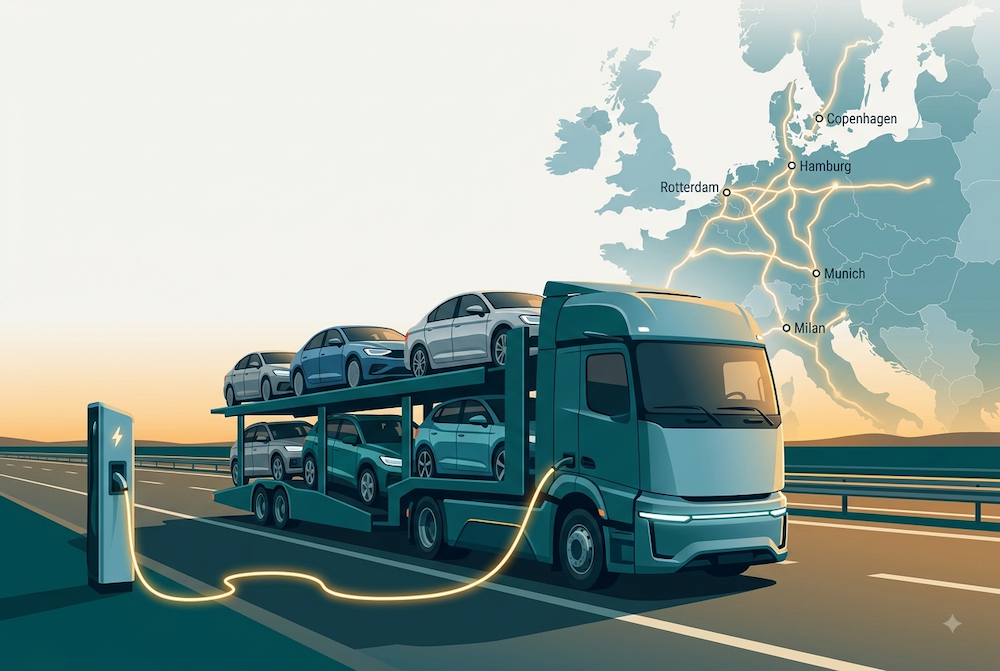
In Europe, transport accounts for approximately 25 to 30% of all greenhouse gas emissions. This makes it one of the highest-emitting sectors and, moreover, the sector in which emissions have fallen the least in relative terms since 1990. More than 70% of these emissions come from road transport, including passenger cars and lorries. It is in this part of the chain that the greatest impact can be made, but making it more sustainable takes time and depends on technological and infrastructural developments.
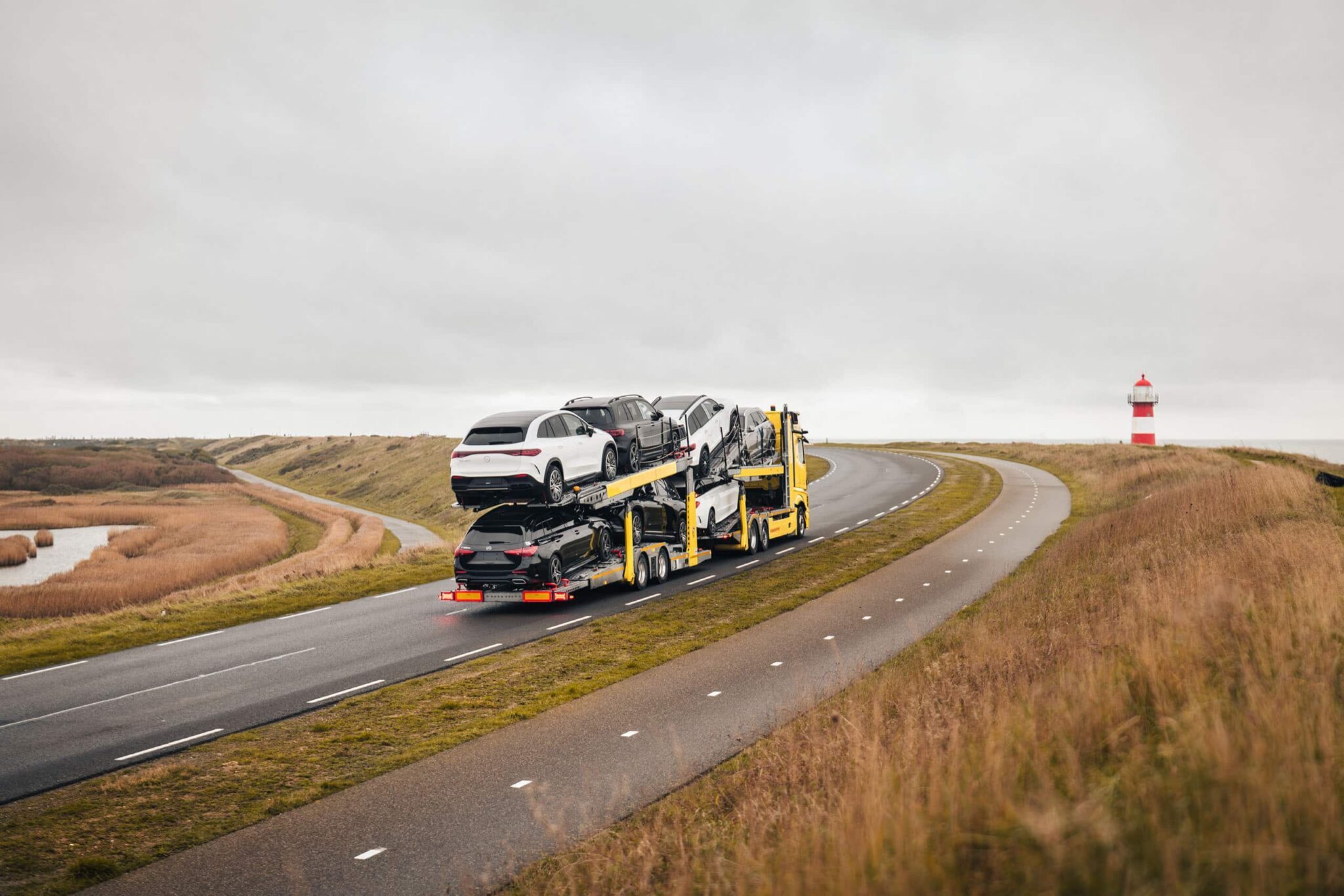
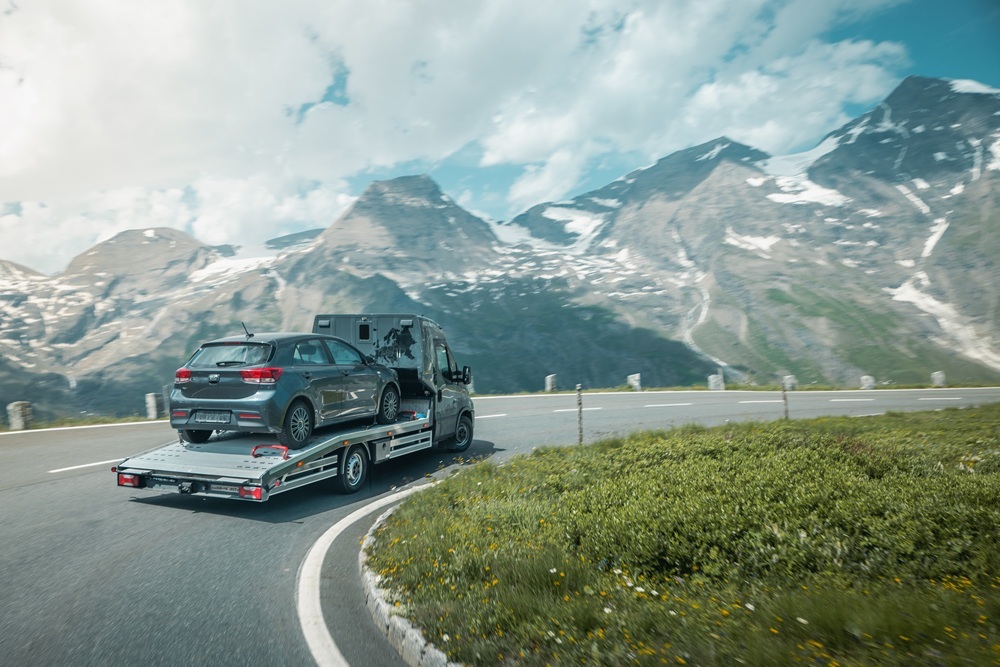
Diesel-powered car transporters are still the norm in our sector. For the vast majority of routes in Europe, emission-free vehicle transport is not yet realistic at scale. At TransConnect, we take shared responsibility for these emissions. That is why, since January 2025 — alongside the Biodiesel Swap — we have offered our customers an additional option: CO₂ offsetting. Through this option, customers help fund certified projects that mitigate climate impact, linked to a forestry project in Croatia.
Our climate commitment
We are working on two fronts: reducing emissions at source through more efficient planning, more sustainable fuel options and better load factors; and providing additional climate finance for emissions that cannot yet be avoided. For us, offsetting is not an alternative to reduction, but a supplementary measure for residual emissions.
To lead by example, we are offsetting the CO₂ emissions from our own business operations in 2025. To do so, we use an average of 3.5 tonnes per full-time employee, as recommended by Ecommit. We also enable our customers to do something similar for their vehicle transport orders.
[Download our offset certificates here]
What CO₂ offsetting does — and does not do
An offsetting contribution does not mean that the emissions from a specific journey literally disappear. It means that, elsewhere, emission reductions are funded through a certified project corresponding to the estimated emissions of that journey. This is useful as a supplement to emissions reduction, but not as a substitute for it.
Certified projects
Your contribution supports the NatureVest project in Croatia, an initiative we are developing in collaboration with Ecommit. NatureVest focuses on planting paulownia trees, a fast-growing species with proven CO₂-sequestering properties.
The project is certified via the Proba platform, which registers and verifies CO₂ credits in accordance with the requirements of the voluntary carbon market. Proba holds conditional accreditation from ICROA (the International Carbon Reduction and Offset Alliance). In addition, the project is audited annually by Bureau Veritas d.o.o., an international inspection organisation. These audits confirm that the project complies with the relevant methodology and established quality criteria.
We publish a quarterly report detailing which credits have been purchased and retired, including the unique certificate number and verification period. “Retired” means that the CO₂ credits have been permanently used and removed from the market. They cannot subsequently be resold or claimed by another party.
How does the CO₂ offsetting option work?
Switching to emission-free transport is not immediately possible across the sector, but that does not mean nothing can be done now. Our approach follows a clear sequence: avoid, reduce, make more sustainable, and only then offset what remains.
Here is how our offsetting programme works, step by step:
1. Choose CO₂ offsetting when booking vehicle transport
When you place a transport order with TransConnect, select the “Offset” option. Based on the details of your shipment, we calculate the estimated CO₂e emissions using a standardised methodology.
2. Pay a fee based on the calculated emissions
The fee is based on the estimated emissions from your transport and is shown when you complete your booking. Through our partner Ecommit, your contribution is used to purchase and retire credits from the NatureVest project.
3. Credits are purchased and retired
We work with Ecommit to link your contribution to a corresponding volume of credits. These are retired periodically, meaning they are taken out of circulation and cannot be reused.
4. The delivery of your transport remains unchanged
Our transport providers operate as you have come to expect from us. Offsetting does not alter the transport itself. For lasting impact, emissions reduction remains the most important factor. Offsetting is a supplementary step.
5. You will receive a confirmation document
After participating, you will receive a quarterly document confirming the linked contribution and the retired credits, including the relevant period and the unique certificate number. You can use this document to support your sustainability reporting. The use of this information in external claims remains the responsibility of your organisation and is subject to the applicable guidelines.
Want to know more?
Please feel free to contact us — we would be happy to tell you more.