A dealer loses four sales of an electric vehicle over twelve months to the local showroom of a brand they hadn't heard of five years ago. Not an incident, but a pattern. Three shifts press on the dealership at once: margin pressure on new sales driven by Chinese cost advantages, shrinking aftersales revenue on electric vehicles, and a smaller dealer role due to direct-sales models from established brands. Not every dealer feels that pressure equally. This piece sets out what is shifting, who is hit hardest, and which three choices you can make this month to shape your own role from here.
What is shifting right now
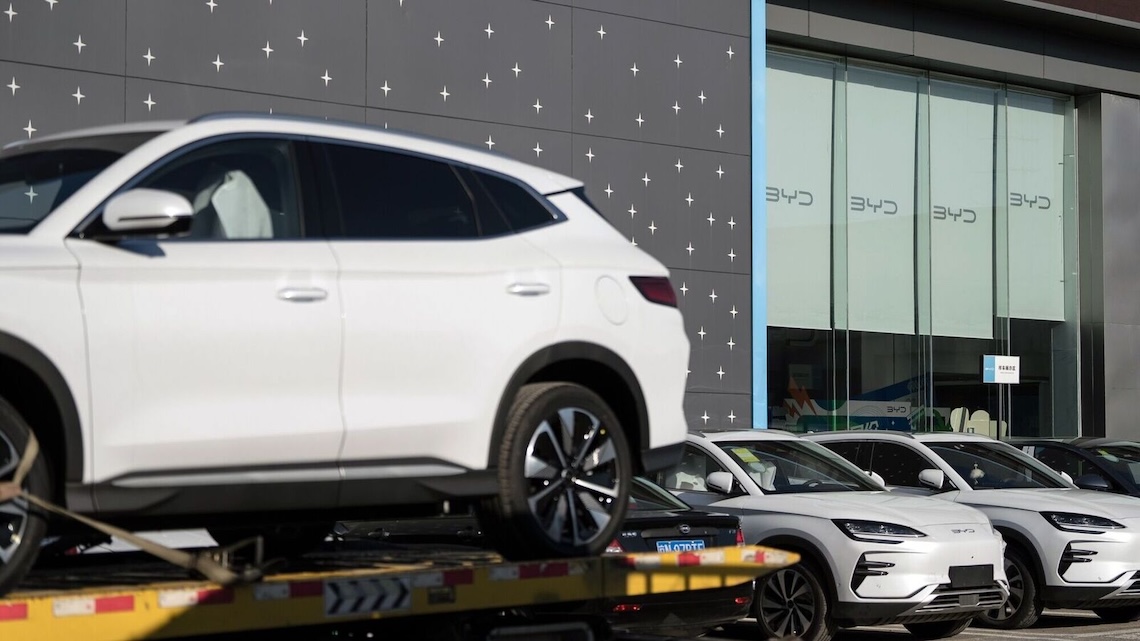
Chinese brands doubled their European market share to 5.9 percent in May 2025, according to JATO Dynamics. Not only through fully electric models, but increasingly through plug-in hybrids and hybrids too. At the same time, the European market share for fully electric vehicles stands at 17.4 percent.
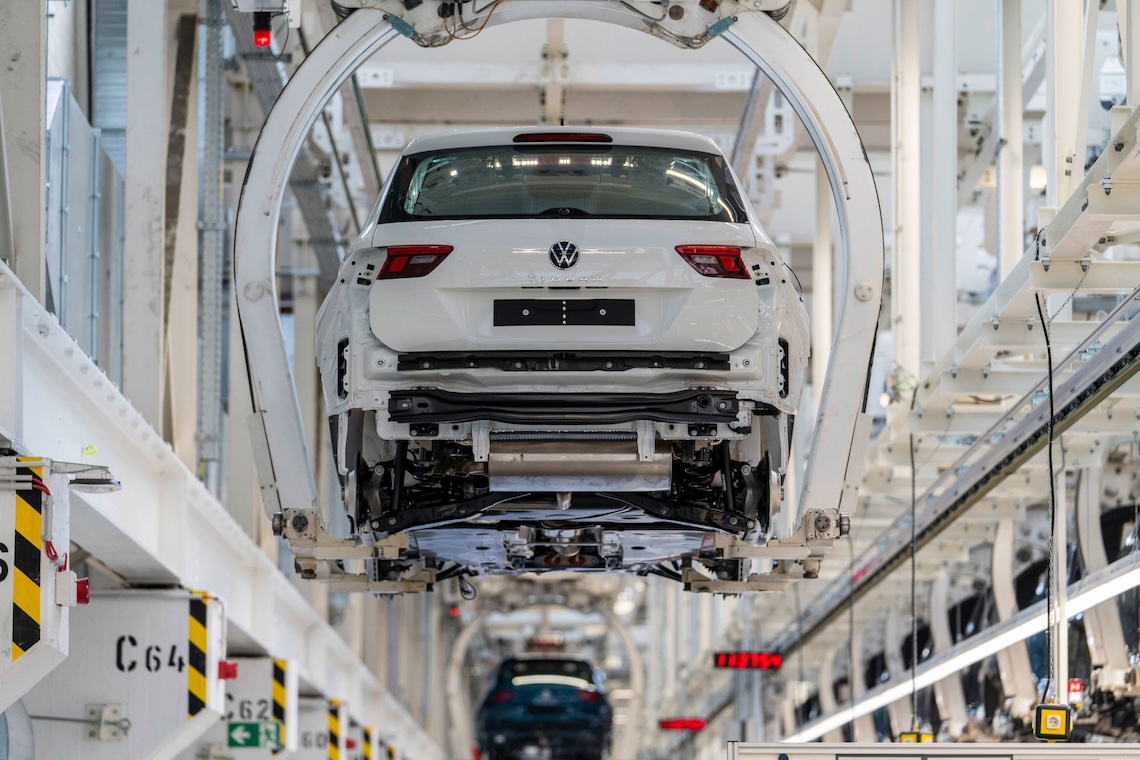
More important than that figure is the direction of production. BYD is building its first European passenger car plant in Szeged, Hungary, and is investing approximately one billion dollars in a Turkish factory with capacity for 150,000 vehicles. Stellantis and Leapmotor are exploring expansion in Zaragoza and Villaverde. On 20 May 2026, Stellantis and Dongfeng announced a joint venture for the production of the Chinese brand Voyah at the Stellantis plant in Rennes, France; with that, Stellantis becomes a European production partner for a second Chinese brand. Volkswagen and Xpeng are already developing joint models. S&P Global Mobility expects that by 2035, around 44 percent of the Chinese vehicles sold in Europe will also be produced in Europe or Turkey.
For the European dealer, the question is therefore no longer "if" but "how" and "when".
Three pains arriving at once
The first pain is margin pressure on new sales. McKinsey estimates that some Chinese players still hold a 25 to 40 percent cost advantage on battery packs and vehicle architecture. JATO calculated that in 2024, a comparable electric vehicle in Europe was still, on average, 22 percent more expensive than its ICE counterpart. The EU import tariffs on Chinese electric vehicles, in force since 30 October 2024, are company-specific: BYD 17.0 percent, Geely 18.8 percent, SAIC 35.3 percent, Tesla Shanghai 7.8 percent. These tariffs do slow the price pressure, but they do not neutralise either the cost level or the commercial agility behind it. For dealers, that means lower margins on new sales and a higher reliance on aftersales and used cars.
The second pain hits precisely that aftersales business. An electric vehicle structurally requires fewer service hours than an ICE vehicle. No oil, a simpler drivetrain, fewer wear parts. Industry estimates point to around 30 to 40 percent lower service intensity over the vehicle's lifetime, varying significantly by model and usage pattern. For a dealership, this is not a detail. Aftersales has been the cornerstone of the business model for years.
The third pain sits inside the sales model itself. Mercedes-Benz, BMW and Volkswagen are experimenting with direct-sales and agent models in which the dealer carries no inventory risk but also no pricing power. The three movements together — margin pressure, shrinking aftersales revenue, a smaller dealer role — do not arrive as separate shocks. They stack.
Who takes the worst hit and who gets an opening
The stacked pressure lands hardest on single-brand dealers of German premium marques. They face all three movements at once, without the scale to move around them. A second vulnerable group is small independent dealers: financing pressure, residual-value risk on electric stock, and limited scale to move with rapid price drops.
For multi-brand dealerships and large dealer groups and holdings, a door opens instead. KPMG and BOVAG research on the European entry of Chinese OEMs shows that they prefer distribution partners with broad geographic coverage and a full service package. The existing dealer structure becomes a distribution channel, not a threat.
This is not a moral claim about winners and losers. It is an operational observation. Whoever has the right scale and regional coverage can extend their portfolio. Whoever does not, gets all three pains undiluted.
What Chinese OEMs are looking for in a dealer partner
First, an important nuance before the partnership story. Chinese brands have shifted gears in Europe. KPMG and BOVAG document that they initially experimented with agency and direct-sales models, but are now choosing dealer-plus or traditional dealer models instead. The reason: European consumers buy online-only less often than Chinese consumers do. The question is therefore not whether the dealer is bypassed, but which type of dealer is selected. The answer, from the same data: dealers with broad coverage, capitalisation and a wider service package.
KPMG, in its Impact of Chinese OEMs in Europe report (March 2025), lists five service categories Chinese OEMs expect from European partners: sales, aftersales, administration, financing and logistics. In conversations with dealer groups, that translates into four concrete capabilities:
- Regional coverage — enough showrooms and service points to carry a brand credibly.
- Digital maturity — integration with the dealer management system, online configuration, quick quote-to-delivery.
- Aftersales capability for electric vehicles — high-voltage training, battery diagnostics, handling of over-the-air software updates.
- Logistical flexibility — the ability to move stock between locations and sourcing points without fixed price lists.
KPMG names logistics as a category in its own right; the flexibility framing follows from the new sourcing geography described elsewhere in this piece.
Three visible cases show what this looks like in practice. Inchcape is BYD's distribution partner in Belgium and Luxembourg. Hedin Mobility Group handles Xpeng distribution in several European countries and is also NIO's exclusive distributor in Belgium and Luxembourg. Not small dealers. Scale players with cross-border coverage, data infrastructure and multi-brand portfolios.
One honest nuance belongs here too. KPMG also documents that Chinese OEMs have adjusted their European market-entry strategy several times in recent years. Becoming a partner in the acquisition phase does not automatically mean keeping the same role five years later. Partner selection is a negotiation with more than one round.
Sourcing and stock movement, the underestimated piece
So much for the commercial side. The operational side is often underestimated, and a significant share of the margin lands there.
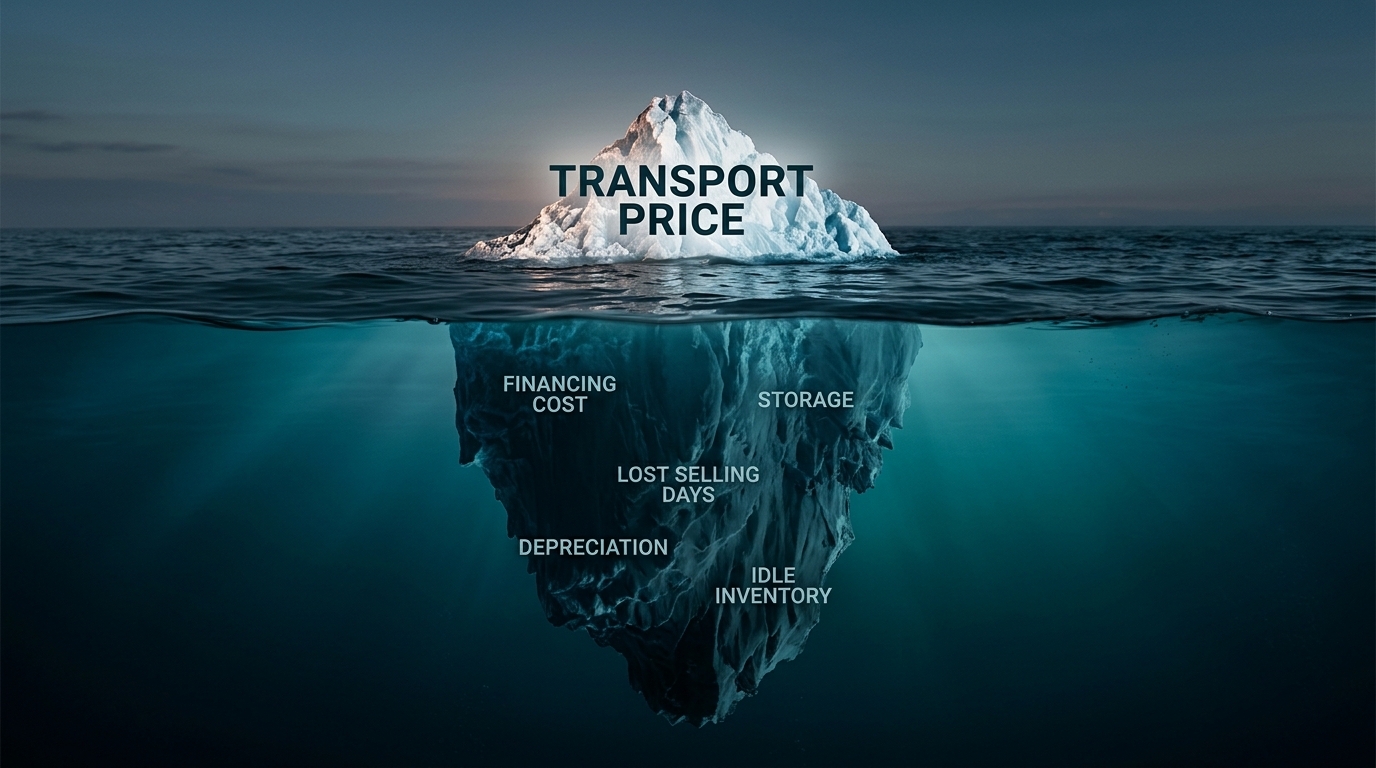
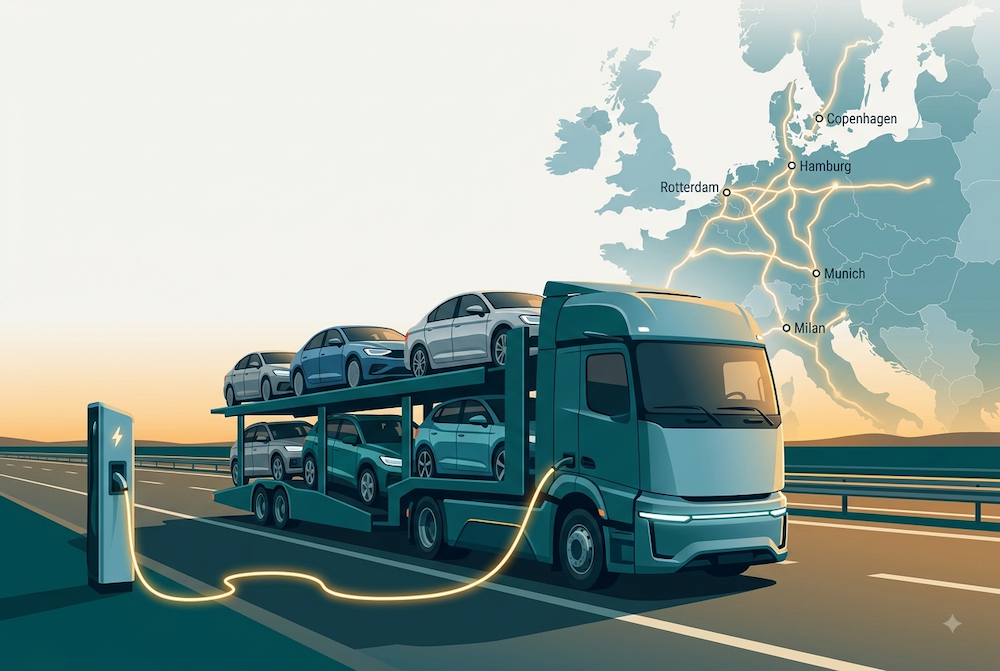
The sourcing geography is changing. A BYD from Szeged or Turkey follows different routes from an imported vehicle arriving via Antwerp or Bremerhaven. A Leapmotor from Zaragoza has a different timeline from a German mass-market model from Wolfsburg. Anyone basing stock policy on fixed sourcing assumptions will face longer-than-expected lead times and, with them, higher silent costs of slow stock movement.
A second layer: multi-brand dealers want to shift stock flexibly between locations the moment a brand performs more strongly in a region. Fixed transport contracts with a single supplier or fixed price lists become a brake rather than a guarantee in this market. Our own analyses of European car transport show that flexible spot capacity, paired with real-time visibility on routes, can match long-term contracts on cost per kilometre, while keeping the option to move with the market and the brand.
The broader European used car market in 2025 is also undergoing structural change. The margin, aftersales and stock pressures on dealers cannot be read in isolation from that wider shift.
Three choices every dealer needs to make now
No solution talk. Three concrete decisions you can take before the end of the quarter.
-
Portfolio. Whether to add a Chinese brand, and if so: which brand fits your existing customer base? BYD targets the mass-market electric driver. Xpeng aims at the tech-premium segment. Leapmotor is, through the Stellantis network, a budget choice. Accept that the contract form can still shift in the first five years. Chinese OEMs have already adjusted their market-entry strategy several times.
-
Aftersales investment. High-voltage training, battery diagnostic equipment, possibly a dedicated workshop for electric vehicles. Investing ahead of the volume curve is expensive. Investing after it is more expensive. To see what this looks like in practice, read how Tanghe Automotive grows with flexible logistics.
-
Logistical flexibility. Do not lock sourcing and stock movement into a single supplier or fixed price lists. That does not fit a market where the production map shifts every three years. The same logic applies on the customer side. We wrote earlier about why the car buyer's journey is no longer linear; the supply side is moving in parallel.
What this is not
This is not a piece about Chinese cars taking over the European market. That is a macro claim for later instalments in the series. This is not a piece about consumer trust or brand perception; that is a marketing question that belongs elsewhere. This is the dealer question: what changes for my portfolio, my margins and my stock logistics, and what do I do about it this month?
The three pains do not arrive in a single blow, but together and stacking. The car dealers who come through this do so by treating portfolio, aftersales and logistical flow as three separate decisions, not as one strategy. No drama, no tipping point. Just a choice you make this month, or accept will be made for you next year.
Want to know how to keep stock movement between European sourcing points flexible? See what a concrete route costs and book a transport, or schedule a conversation about how our platform moves with multi-brand portfolios and cross-border sourcing.