Software and data move from promise to practice
Software-defined vehicles remain a key theme, but the emphasis is increasingly on practical application. It is no longer just about the software in the vehicle, but about the wider ecosystem around it: vehicle data, charging data, connected services and operational processes that must work together (Flotte! Der Branchentreff, IAA Mobility Munich, CAR Symposium). The discussion is therefore shifting from product innovation to operational management. How can data be used to make processes more predictable and efficient? For those involved in vehicle transport and remarketing, this is a clear trend. Vehicles are increasingly becoming part of a data-driven value chain. Status information, digital handovers and real-time visibility are becoming more important, and so too are clients’ expectations.
Electrification as a business case
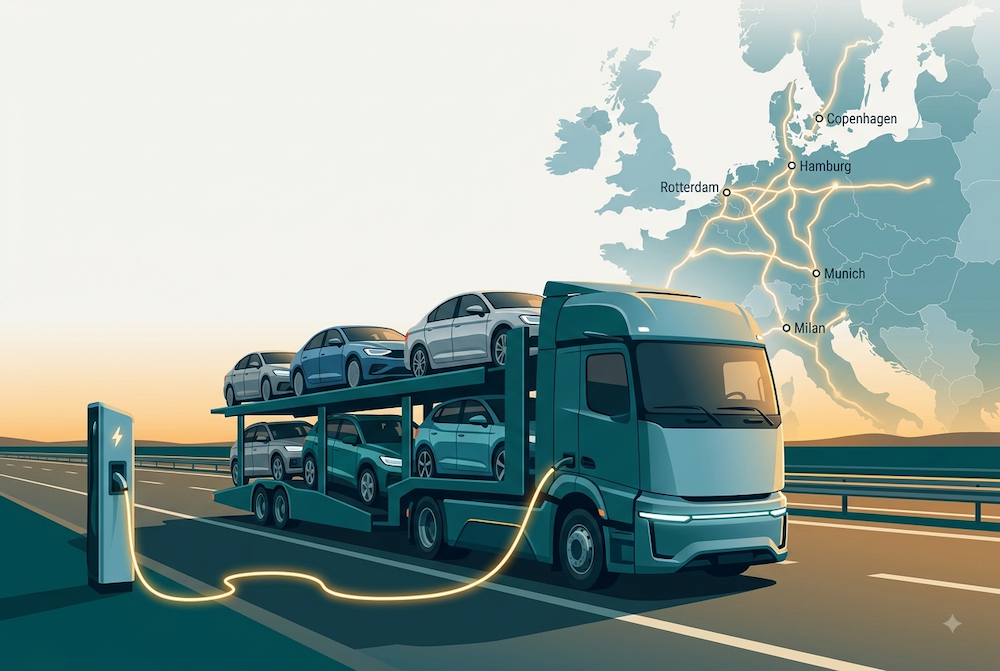
By 2026, the question will no longer be whether electrification will take hold, but how quickly and profitably it can be deployed. The focus will instead be on feasibility and return on investment. Topics such as charging infrastructure, energy costs and operational readiness will move centre stage (Flotte! Der Branchentreff, IAA Transportation Hannover, EVS39). Key topics include:- Smart charging solutions for fleets
- Home charging as part of a broader strategy
- Total cost of ownership (TCO) of electric vehicles
- The impact of charging infrastructure on planning
Electrification is therefore becoming less a sustainability issue and more a business case. Organisations want to know which choices genuinely work in practice.
Remarketing becomes strategic
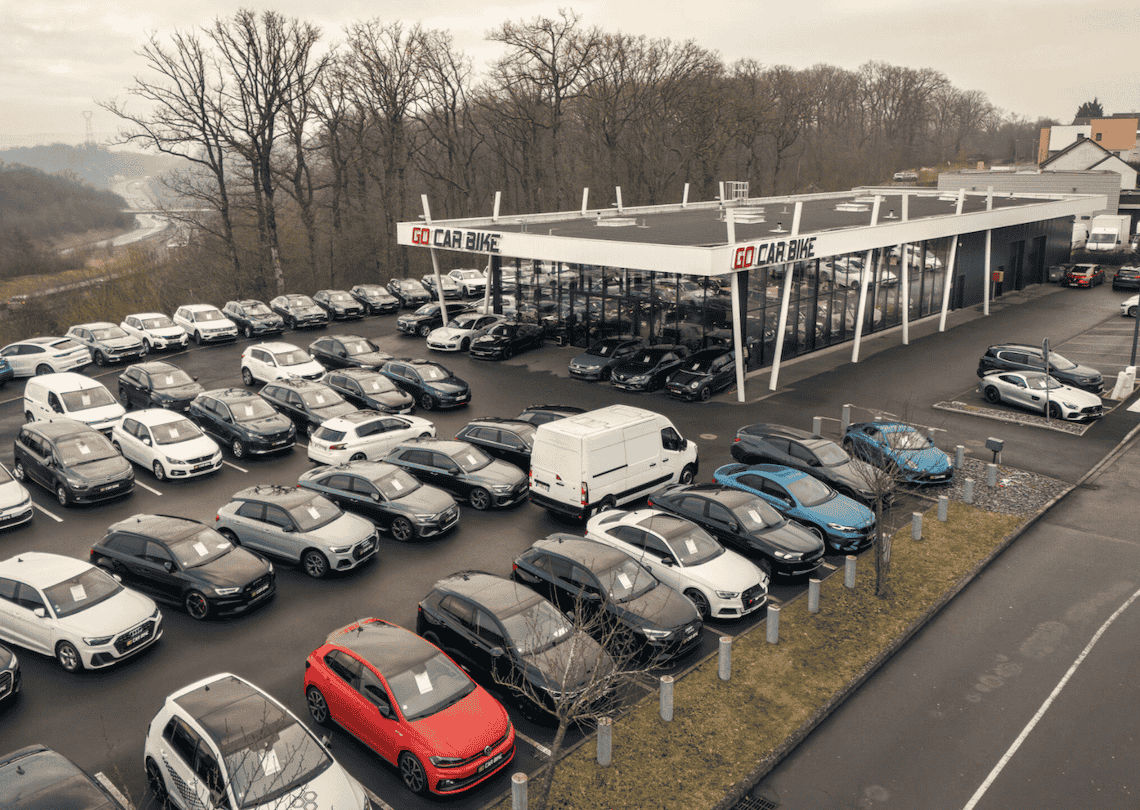
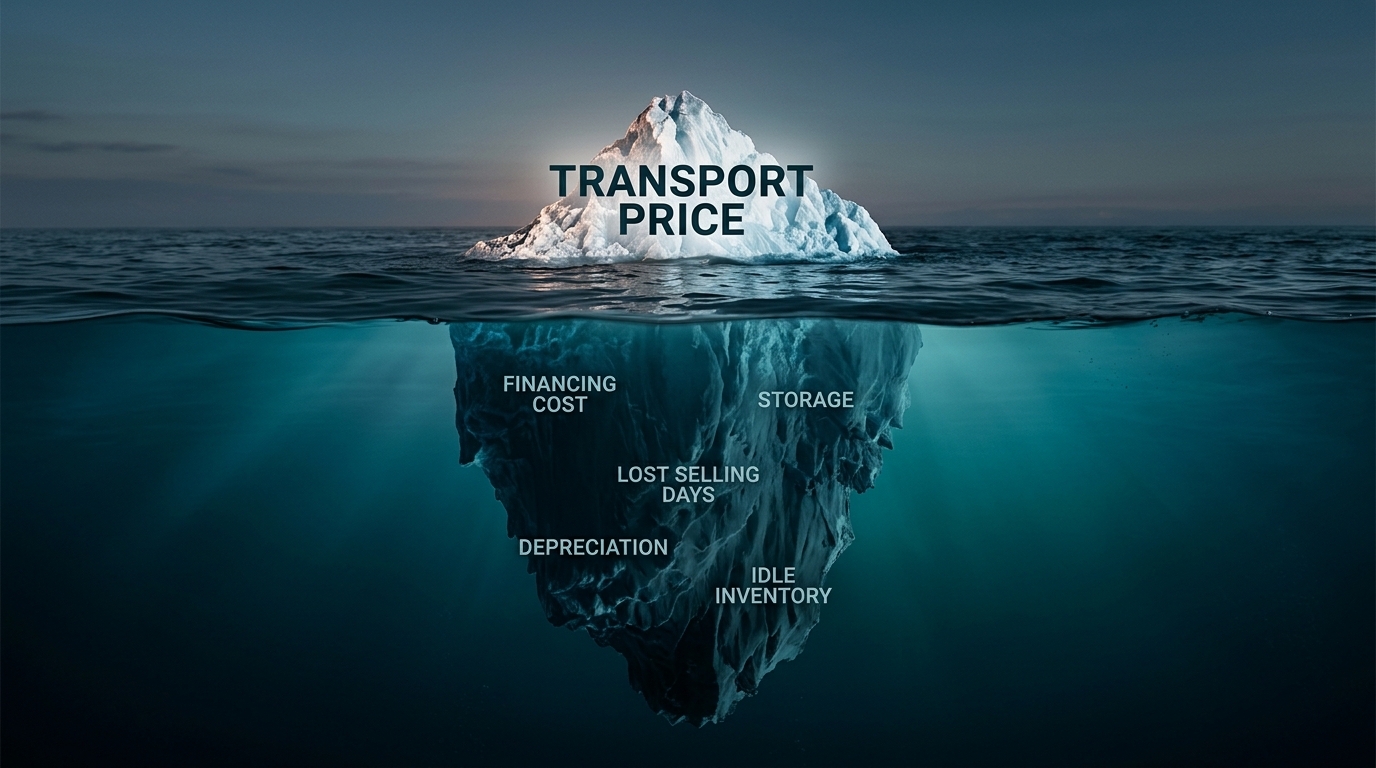
Remarketing is rapidly evolving from a final step into a strategic part of the supply chain. The growth of the used electric vehicle market raises new questions about residual value, battery condition and market positioning (Automotive Remarketing Event, Automechanika Frankfurt, CAR Symposium). That shift is also visible at fleet and industry events, where the focus is on battery assessment, claims management and sales revenue (Flotte! Der Branchentreff). For logistics providers, this means speed, data quality and transparency have a direct impact on a vehicle’s final value. The logistics phase is therefore no longer merely supportive, it is value-defining.
Fleet management becomes more analytical
Fleet management is clearly shifting towards a more analytical, business-focused approach. Key questions include:- Cost comparisons between EVs and internal combustion engine vehicles
- Claims management and risk mitigation
- The practical deployment of vehicles
All this makes the mobility debate more concrete. It is no longer just sustainability that matters, but also cost, availability and day-to-day usability. For logistics partners, this means clients are becoming more demanding and placing greater emphasis on predictability, transparency and efficiency.
Regulation as a structural factor
Regulation remains a driving force across the sector. New European directives, tax rules and vehicle-specific requirements have a direct impact on fleets and business operations (IAA Transportation Hannover, Flotte! Der Branchentreff, Automechanika Frankfurt). What is striking is that regulation is increasingly shaping strategic decision-making. It forces organisations to make decisions more quickly, thereby accelerating change across the market.
Implications for vehicle transport
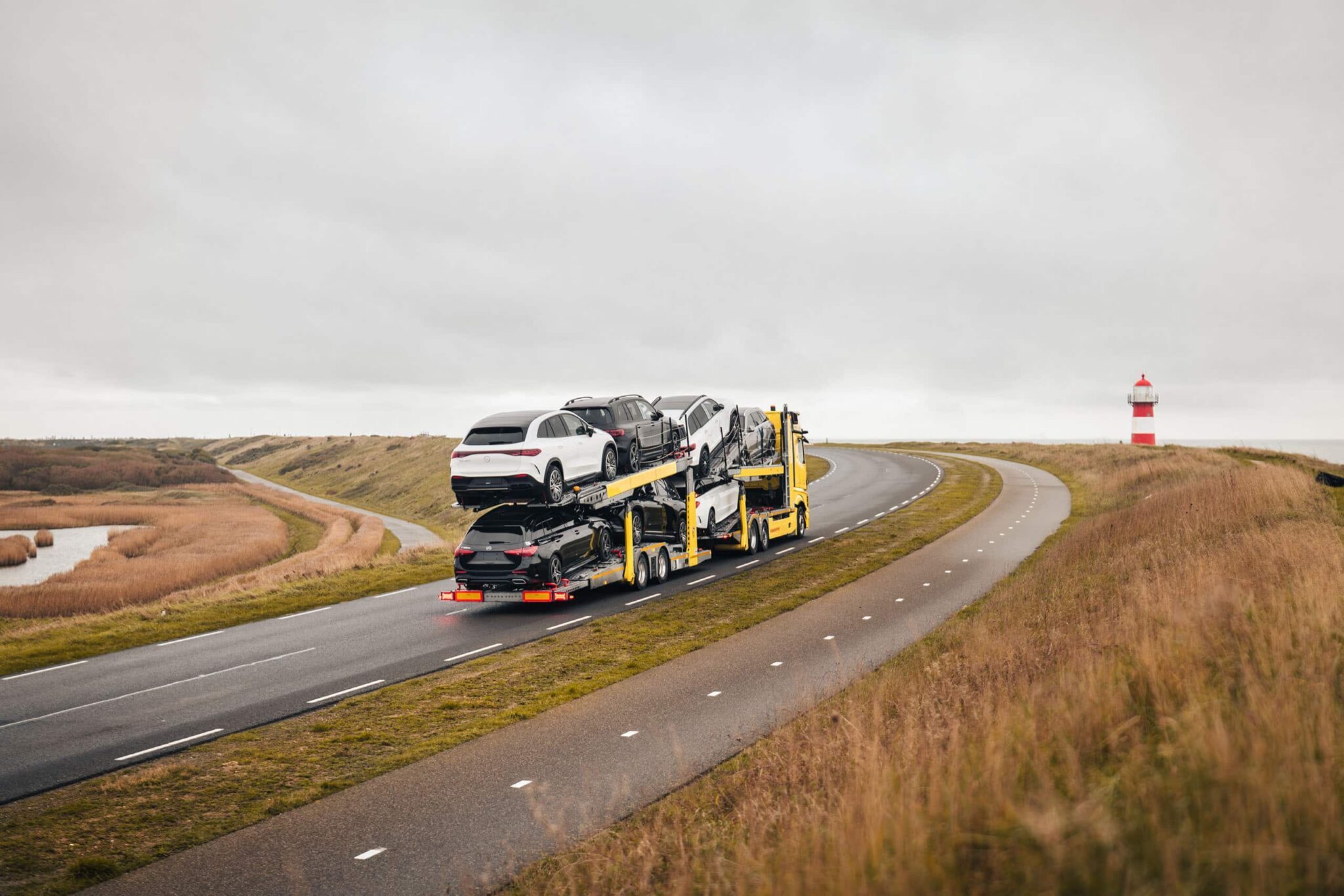
For vehicle transporters, these developments are becoming increasingly visible in day-to-day operations. Fleets are becoming more diverse, with more electric vehicles and a wider range of applications. That requires changes in planning, expertise and execution. At the same time, the importance of data is growing:- Visibility into battery condition
- Accurate damage and condition reporting
- Real-time tracking of vehicles
The role of transport partners is therefore evolving. It is no longer only execution that matters, information provision and process control are becoming essential too.
A sector in implementation mode
What characterises 2026 is not a new direction, but a new phase in which existing trends are being put into practice. Software takes on an operational role. Electrification is built into planning. Remarketing becomes more strategic. Decisions are increasingly data-driven. For TransConnect, this is evident in day-to-day operations.
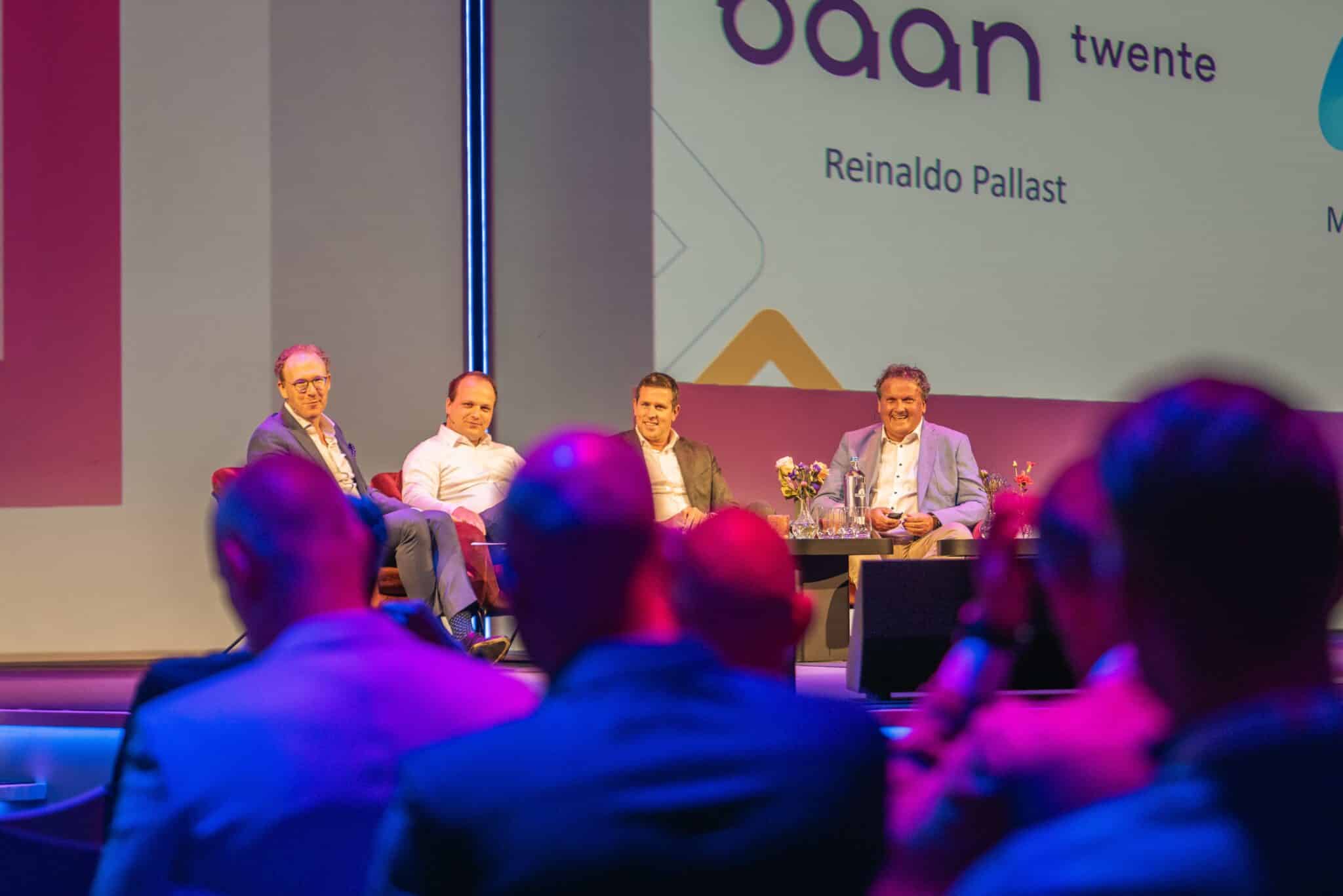
At events such as Flotte! Der Branchentreff, the Automotive Remarketing Event and the Used Vehicle Retail Summit, the team speaks directly with fleet owners, leasing companies and remarketing specialists about specific operational issues. This includes, for example, transporting electric vehicles where the state of charge and battery status must be known in advance, shortening lead times in remarketing processes, and providing real-time status updates for international shipments.
These discussions underline the key requirements: reliable lead times, transparent data and logistics solutions aligned with both fleet management and remarketing. For TransConnect, vehicle transport increasingly means that it is no longer just about movement, but about managing the entire process, from the first journey to the point of sale.