In 2025 bereikten de Chinese directe investeringen in Europa €16,8 miljard. Dat is het hoogste niveau in zeven jaar en 67 procent meer dan in 2024 (bron: Rhodium Group). Het bedrag zegt op zichzelf weinig; bepalend is vooral waar het wordt ingezet. Van het automotive-aandeel, €7,6 miljard, is zo'n 93 procent verbonden aan supply chains voor elektrische voertuigen. Een record van €9 miljard ging naar greenfield-investeringen: nieuwe fabrieken, op Europese bodem. Vanaf de grond opgebouwd.
Voor iedereen die Europese automotive voorraad actief verhandelt in plaats van alleen verkoopt, verandert dat de kostenstructuur. De vorige blog in deze serie keek naar hoe Chinese merken de marges en aftersales van dealers raken. Deze blog kijkt hoe de voertuigen op de Europese markt komen. Feit is dat er meer Chinese auto's op de markt komen en dat ze steeds vaker al hier gemaakt zijn. Dat gegeven heeft een groot impact op logistiek en de sector als geheel.
Kernpunten
- Het geld gaat naar fabrieken, niet naar overnames. De Chinese investeringen in Europa bereikten in 2025 in zeven jaar een hoogtepunt van €16,8 miljard, waarvan een record van €9 miljard naar nieuwe fabrieken ging. Dit is blijvende productiecapaciteit, bewust binnen de EU geplaatst.
- De productie schuift landinwaarts. Nieuwe productielocaties als Szeged, Zaragoza, Madrid en Rennes liggen dichter bij West-Europese dealernetwerken dan de importhavens. S&P Global Mobility verwacht dat tegen 2035 ongeveer 44 procent van de in Europa verkochte Chinese auto's ook in Europa of Turkije gebouwd kan worden.
- De logistieke flow verschuift van haven naar fabriek. Naarmate voertuigen vaker rechtstreeks vanuit Europese fabrieken worden geleverd, sluiten vaste routes en statische prijslijsten steeds minder aan op de werkelijkheid. Flexibele routing, spotfilling, slimmer compoundbeheer en emissierapportage per corridor worden essentieel om efficiënt en concurrerend te blijven.
De cijfers achter de verschuiving, en waarom het deze keer anders is
De schaal van de investeringen is indrukwekkend. Met €16,8 miljard aan Chinese investeringen zag Europa zijn aandeel in China's wereldwijde uitgaande investeringen stijgen van 17 naar 25 procent in slechts één jaar. Duitsland trok circa €2,5 miljard aan, bijna drie keer zoveel als het jaar ervoor. Frankrijk kwam uit op ongeveer €1,9 miljard, een verviervoudiging ten opzichte van een jaar eerder.
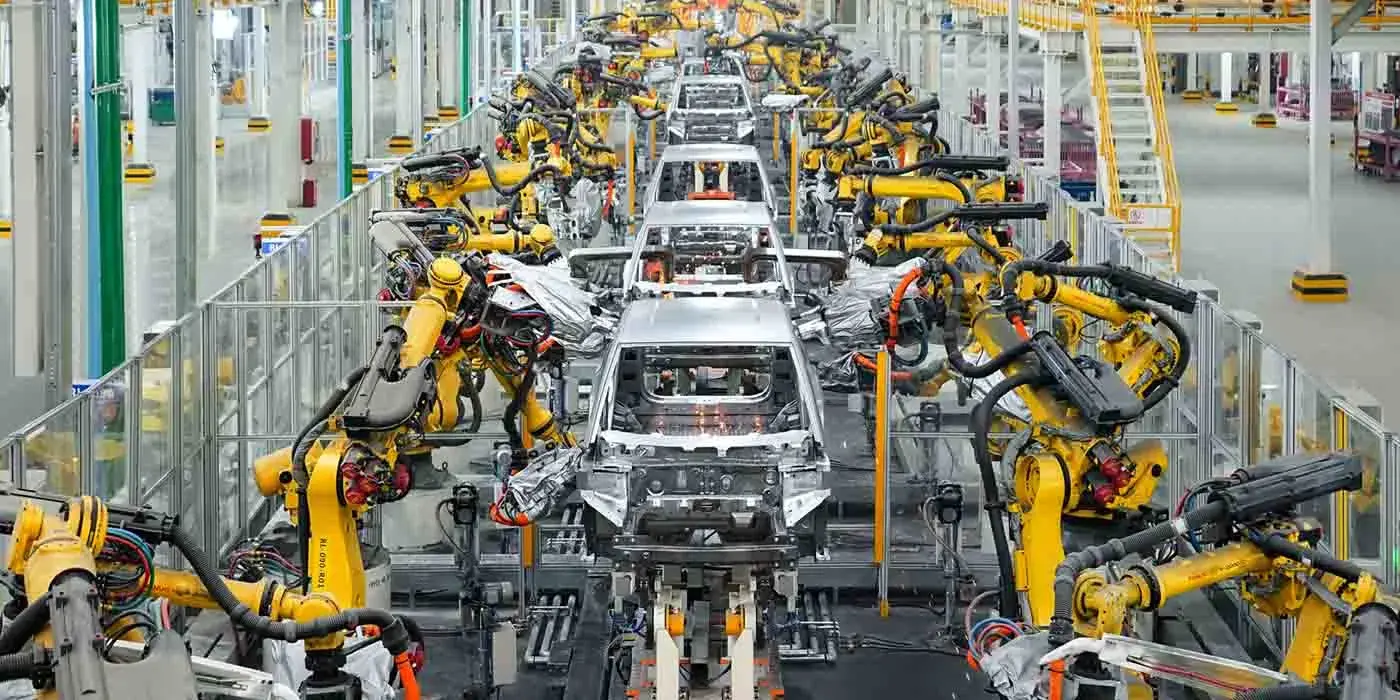
Maar de belangrijkste verschuiving zit niet in de omvang van de investeringen, maar in hun karakter. Waar de Chinese investeringsgolf vóór 2018 vooral bestond uit overnames van bestaande Europese bedrijven en merken, draait deze ronde om het creëren van nieuwe productiecapaciteit. Recordhoge greenfield-investeringen vertalen zich in nieuwe fabrieken, nieuwe banen en nieuwe productielijnen, bewust verankerd binnen de Europese Unie.
Een belangrijke drijfveer achter die ontwikkeling zijn de Europese importheffingen op Chinese elektrische voertuigen. Sinds 30 oktober 2024 gelden bedrijfsspecifieke tarieven van 17,0 procent voor BYD, 18,8 procent voor Geely, 35,3 procent voor SAIC en 7,8 procent voor in Shanghai geproduceerde Tesla-modellen. De maatregel was bedoeld om de instroom van Chinese EV's af te remmen. Het effect bleek deels anders uit te pakken.
Wanneer importeren inclusief heffingen duurder wordt dan lokaal produceren, verschuift de businesscase richting Europese productie. De aanzienlijke kostenvoordelen die Chinese fabrikanten in de EV-markt hebben opgebouwd, geven hen bovendien de financiële ruimte om die investeringen te doen. Zoals Ron Zheng van Roland Berger in de Rhodium-analyse opmerkte: "Het model draait niet langer alleen om auto's verkopen in Europa. Het gaat om het lokaal verankeren van complete industriële ketens."
Daardoor ontstaat een paradoxaal effect. Handelsbarrières die bedoeld waren om importstromen af te remmen, stimuleren tegelijkertijd de opbouw van productiecapaciteit binnen Europa. De auto's steken minder vaak de grens over, maar de fabrieken des te vaker.
De nieuwe productiegeografie, fabriek voor fabriek
De kaart van de Europese EV-productie wordt op dit moment opnieuw getekend. Niet langer langs de grote importhavens, maar dwars door het industriële hart van Europa.
BYD bouwt zijn eerste Europese personenautofabriek in Szeged, Hongarije, en investeert daarnaast ongeveer één miljard dollar in een fabriek in Turkije met een capaciteit van 150.000 voertuigen per jaar. Stellantis en Leapmotor zetten hun distributiepartnerschap ondertussen om in gedeelde productie in Spanje. Hun joint venture, Leapmotor International, ontstond in oktober 2023 toen Stellantis voor €1,5 miljard een belang van circa 21 procent in Leapmotor verwierf. De onderneming, opgezet volgens een 51/49-verdeling in het voordeel van Stellantis, beschikt inmiddels over meer dan 850 verkoop- en servicepunten in Europa en registreerde in 2025 ruim 40.000 leveringen.
De volgende stap is lokale productie. In Figueruelas, nabij Zaragoza, onderzoeken de partners een nieuwe productielijn voor een elektrische Opel C-SUV met een mogelijke start in 2028. Daarnaast wordt overwogen een nieuw Leapmotor-model vanaf de eerste helft van 2028 toe te wijzen aan de fabriek in Villaverde, Madrid. Op 20 mei 2026 maakten Stellantis en Dongfeng bovendien een afzonderlijke 51/49-joint venture bekend voor de productie van het Chinese premiummerk Voyah in de Stellantis-fabriek in Rennes, Frankrijk. Tegelijkertijd werken Volkswagen en Xpeng aan gezamenlijke modellen en een gedeelde elektronische architectuur. Voor autofabrikanten draait de vraag steeds minder om welke auto's zij bouwen en steeds meer om waar zij die bouwen.
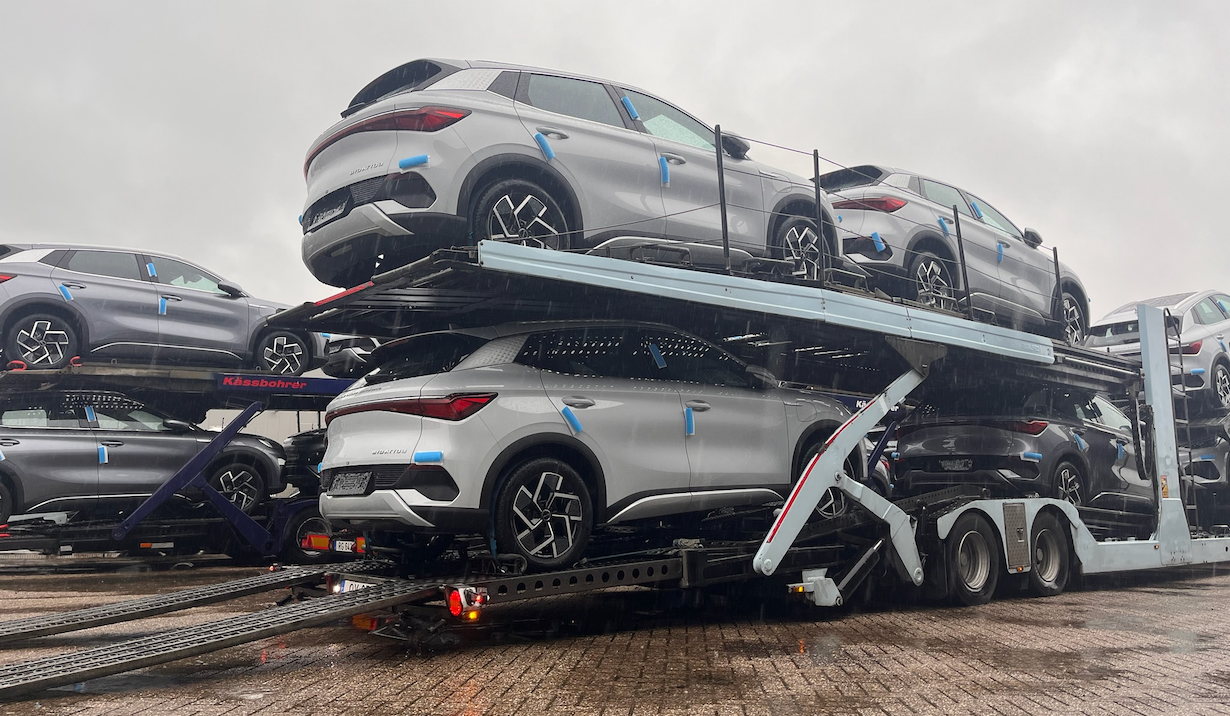
Eén bedrijfsstrategie laat zien hoe snel dat denken verandert. Met het in mei 2026 gepresenteerde FaSTLAne 2030-programma wil Stellantis ongeveer 800.000 voertuigen aan Europese productiecapaciteit herstructureren zonder één fabriek te sluiten. Dat gebeurt door bestaande locaties te delen of te herbestemmen voor Chinese partners, terwijl de ontwikkeltijd van nieuwe modellen wordt teruggebracht van circa 44 naar 24 maanden. Voor logistieke planners betekent dat iets fundamenteels: bestaande Europese fabrieken veranderen in nieuwe vertrekpunten. Voertuigen die vroeger per schip arriveerden, verlaten straks steeds vaker een assemblagehal op enkele honderden kilometers van de eindbestemming.
Hoe ver deze verschuiving kan reiken, blijkt uit de prognoses. S&P Global Mobility verwacht dat tegen 2035 ongeveer 44 procent van alle in Europa verkochte Chinese auto's ook binnen Europa of Turkije wordt geproduceerd. Dat is geen zekerheid, maar zelfs wanneer slechts de helft van dat aandeel wordt gerealiseerd, verschuift een substantieel volume van de traditionele importroutes via Antwerpen, Bremerhaven en Zeebrugge naar intra-Europese transportcorridors.
Wat dit betekent voor logistieke flows
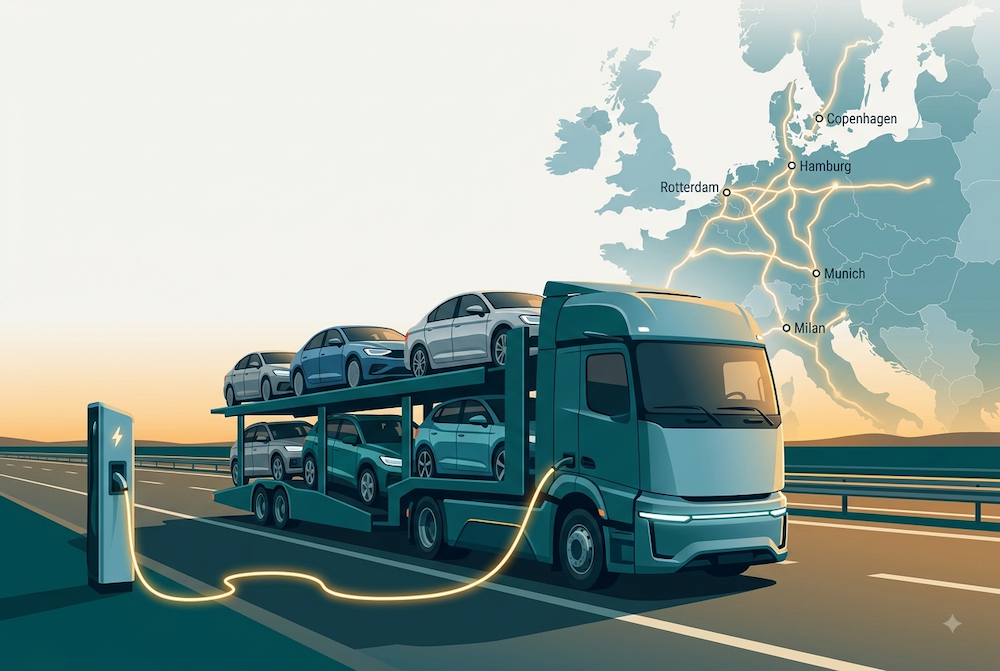
De essentie van de verandering zit in het startpunt van de logistieke keten. De traditionele flow loopt van haven naar compound naar dealer. Voertuigen komen Europa binnen via een beperkt aantal toegangspoorten, worden nabij de kust gebufferd en vervolgens verder verdeeld. De nieuwe flow begint steeds vaker bij een fabriekspoort binnen Europa. Van Szeged naar München en Amsterdam. Van Zaragoza naar Madrid en Lyon. Van Rennes naar Parijs en Brussel.
Dat levert kortere afstanden naar belangrijke afzetmarkten op, maar creëert tegelijk nieuwe uitdagingen. Andere lead times. Andere volumepatronen. Andere compoundbehoeften. En transportcorridors die historisch nauwelijks finished-vehicle-verkeer zagen.
Die verschuiving komt bovendien op een moment waarop de sector al onder druk staat. Europa produceert jaarlijks ongeveer vijf miljoen voertuigen minder dan in 2017 en 2018, terwijl meer dan de helft van de door de ECG bevraagde logistieke bedrijven in 2025 een daling van de volumes rapporteerde. De nieuwe productiecapaciteit voegt niet automatisch extra transportvolume toe. Ze verplaatst bestaande stromen. Juist die herverdeling maakt planning complexer, omdat ze ongelijkmatig verloopt en zich over meerdere jaren uitstrekt.
Voor fleetowners en dealergroepen die internationaal sourcen, ontstaat daardoor een praktische vraag: bevinden sourcing-flows, transportcontracten en voorraadbuffers zich nog op de juiste locaties?
Compounds staan centraal in dat vraagstuk. Hun functie verschuift van havenbuffer naar redistributiehub voor voertuigen uit meerdere productielocaties. Niet langer gedreven door aankomstschema's van schepen, maar door vraaggestuurde distributie. Naarmate het aantal herkomstlocaties groeit, wordt professioneel compoundbeheer belangrijker in plaats van minder belangrijk.
Dezelfde ontwikkeling beloont flexibiliteit boven vaste routering. Traditionele prijslijsten en vaste importroutes zijn ontworpen voor een wereld waarin voertuigen via een handvol bekende havens Europa binnenkwamen. Ze zijn minder geschikt voor een netwerk waarin productiecapaciteit zich geleidelijk verspreidt over meerdere Europese locaties.
Daar sluit ons model op aan. Als digitaal transportplatform werken we samen met meer dan 2.000 transportpartners in Europa en opereren we zonder eigen vloot. Ons smart spotfilling-algoritme benut beschikbare capaciteit op zowel bestaande als nieuwe corridors, zodat vrachtwagens niet halfleeg over verouderde routes blijven rijden. De kosten van een verkeerde inschatting tonen zich zelden in één grote verstoring. Vaker verschijnen ze als dwell time als verborgen kost, waarbij voertuigen te lang op de verkeerde locatie blijven staan terwijl de logistieke werkelijkheid zich verplaatst.
De compliancelaag volgt de verschuiving in de flow
Wanneer logistieke stromen veranderen, veranderen ook de rapportagevereisten. CountEmissionsEU, het Europese kader voor geharmoniseerde emissieberekeningen dat in 2025 politiek werd overeengekomen, ontwikkelt zich naar verwachting van onderscheidende meerwaarde tot basiseis.
Nieuwe corridors vereisen nieuwe referentiemetingen. Een route van Szeged naar Amsterdam kent een wezenlijk ander emissieprofiel dan het deepsea-plus-binnenlandtraject dat zij gedeeltelijk vervangt. Die verschillen moeten betrouwbaar en reproduceerbaar worden berekend. De strategische samenwerking tussen ECG en CALA om standaarden te harmoniseren voor nieuwe Chinese OEM's laat zien in welke richting de markt beweegt.
Voor logistieke partners wordt het vermogen om emissies op corridorniveau te meten en te rapporteren daarom een integraal onderdeel van duurzaam autotransport, in plaats van een afzonderlijke rapportageoefening achteraf.
Drie signalen die laten zien dat de flow echt verschuift
Prognoses zijn interessant, maar operationele signalen zijn waardevoller. Drie indicatoren laten zien wanneer deze verschuiving de stap maakt van strategische presentatie naar dagelijkse logistieke realiteit.
-
De productie-output van BYD in Szeged. Zodra de eerste volumes uit de Hongaarse fabriek in 2026 en 2027 daadwerkelijk op de markt komen, ontstaat de eerste grootschalige intra-Europese corridor uit dit nieuwe productienetwerk.
-
De opstart van de Stellantis-Dongfeng-productie in Rennes. Het moment waarop de eerste Voyah-modellen richting Nederland, België en Duitsland vertrekken vanuit Frankrijk in plaats van vanuit China, markeert een tastbare verschuiving in de logistieke werkelijkheid.
-
De volumecijfers van de ECG. Let op het moment waarop de doorvoer via importhavens begint af te vlakken terwijl intra-Europese corridors structureel groeien. Dat kantelpunt, meer dan welke afzonderlijke aankondiging ook, vormt het echte bewijs dat de markt verandert. Het sluit bovendien aan bij het bredere patroon van structurele verandering in autotransport in 2026.
De kaart van Europa herschrijft zichzelf niet in één kwartaal. Maar wie wacht tot de nieuwe stromen zichtbaar worden in marktdata en transportfacturen, reageert pas nadat de verschuiving heeft plaatsgevonden. De orchestratielaag die nodig is voor een multi-origin, compound-gestuurde en emissierapporterende logistieke keten wordt nu gebouwd. Of uitbesteed aan partijen die die infrastructuur al hebben.
Wil je zien hoe we transportstromen door heel Europa orchestreren voor dealers en fleetowners terwijl de herkomst van voertuigen verschuift, dan is ons autotransport in Europa de beste plek om te beginnen. Zodra er een concrete transportbehoefte ontstaat, kun je direct een transport aanvragen.