The rules around tachographs in the transportation industry are changing significantly over the next few years. This article gives you a clear overview of what will change, why these changes are taking place, and how you as a driver can prepare.
Together with truck driving bans in Europe and the calendar of European public holidays 2026, tachograph compliance is one of the cornerstones of operating a cross-border car transport route.
What will change?
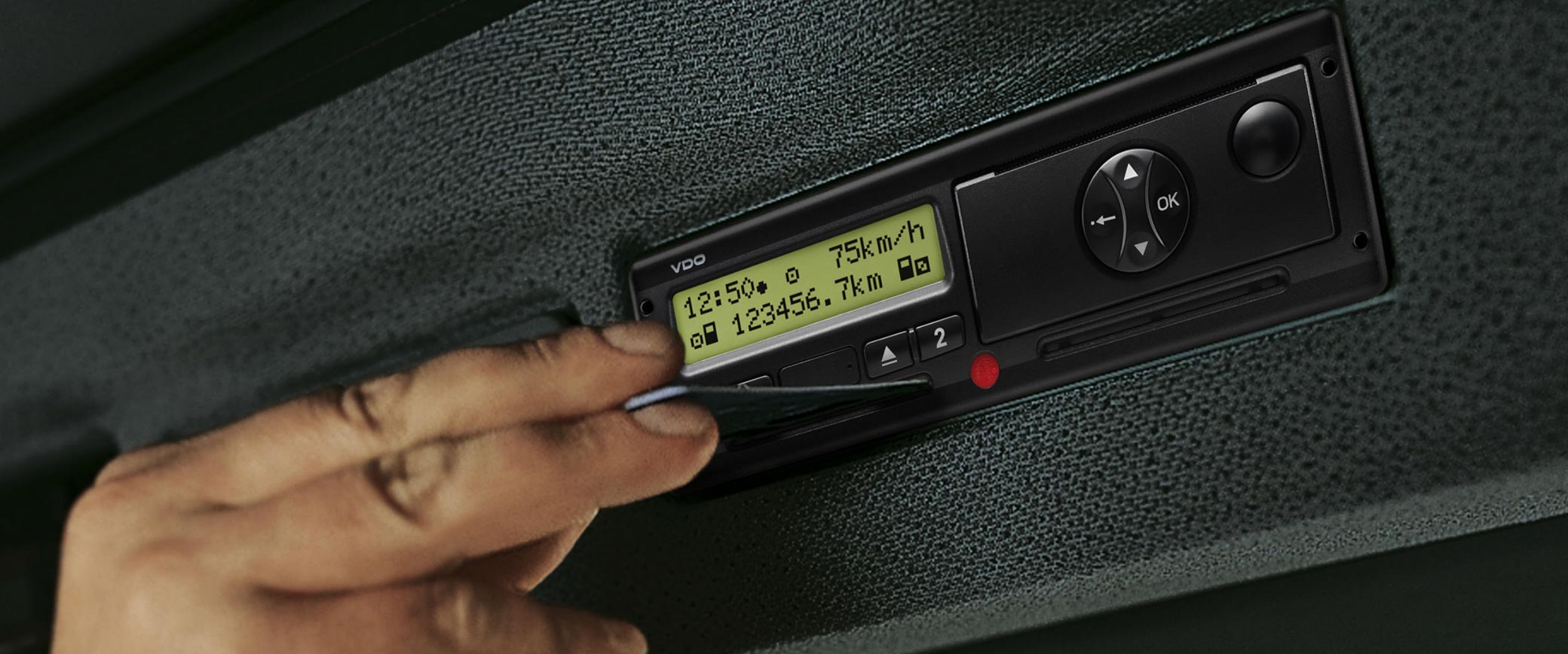
From December 31, 2024 , it will become mandatory to use the Smart Tachograph version 2 (SMT2) in all vehicles that drive internationally and currently still have an analog, digital or SMT1 tachograph.
There is also a second deadline: starting August 18, 2025 , vehicles already equipped with an SMT1 (first-generation smart tachograph) must also be upgraded to SMT2 if they operate internationally.
Why these changes?
The new generation of tachographs, SMT2, is designed to:
- Provide greater transparency: border crossings, loading and unloading activities are automatically recorded. This saves drivers time and prevents errors in administration.
- Prevent manipulation: the SMT2 has enhanced security measures that make it more difficult to falsify data.
- Enable more efficient controls: enforcement agencies can read data remotely, saving time at border controls and during transport inspections.
With these changes, the EU aims for fairer competition in the transport sector and better compliance with driving and rest periods. Combined with the structural pressure on capacity from the European driver shortage, every operational hour counts — which is exactly what the SMT2 is intended to make visible.
What does this mean for you?
To stay compliant with the latest tachograph requirements, here’s a clear overview of what actions you may need to take:
For vehicles with SMT1
Do you already have vehicles with an SMT1? Then note that they must also be replaced with an SMT2 before Aug. 18, 2025, if you drive internationally.
For vehicles with older tachographs
If you have vehicles with analog or digital tachographs, you must replace them with an SMT2 by Dec. 31, 2024, to comply with the rules.
Invest smartly
To avoid double costs, you can choose to switch to SMT2 immediately, regardless of whether your vehicle has an SMT1, analog or digital tachograph. This saves time and ensures you meet the most stringent requirements right away.
What is the Smart Tachograph 2 (SMT2)?
The SMT2 is the latest generation of smart tachographs and offers advanced features such as:
- Automatic recording of border crossings.
- Intelligent interfacing with vehicle systems for greater accuracy.
- Real-time communication with control authorities via wireless connection.
- More storage capacity to keep data longer and more detailed.
These innovations make drivers’ jobs easier, reduce administrative burdens and help companies operate more efficiently.
How to prepare
Follow these steps to stay compliant:
- Check your current equipment Identify which vehicles have analog, digital, or SMT1 tachographs that require an upgrade.
- Plan timely replacements Schedule the necessary replacements well in advance to avoid last-minute issues or downtime.
- Inform and train your drivers Communicate the changes to your team and provide training on how to use the SMT2 effectively. This helps prevent errors and ensures a smooth transition.
- Budget and invest smartly Evaluate your options and consider upgrading to the SMT2 immediately. This approach may save costs and ensures compliance with future requirements.
Final thoughts
The new rules around tachographs aim to make the transport sector safer, fairer and more efficient. While this will require short-term adjustments and investment, it will provide long-term benefits for both drivers and transportation companies. For our transport partners, the upgrade also fits naturally into how the digital car transport platform records load and route data — fewer parallel systems, less administrative friction.
Want to learn more about the rules or need help making the switch? Contact us or seek advice from an authorised supplier of SMT2 equipment.