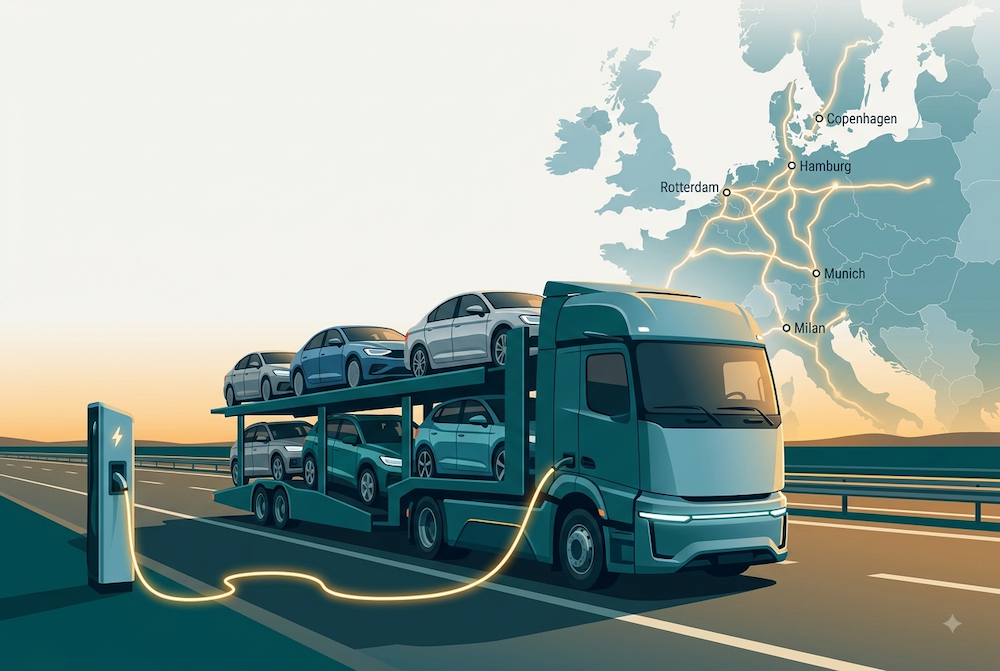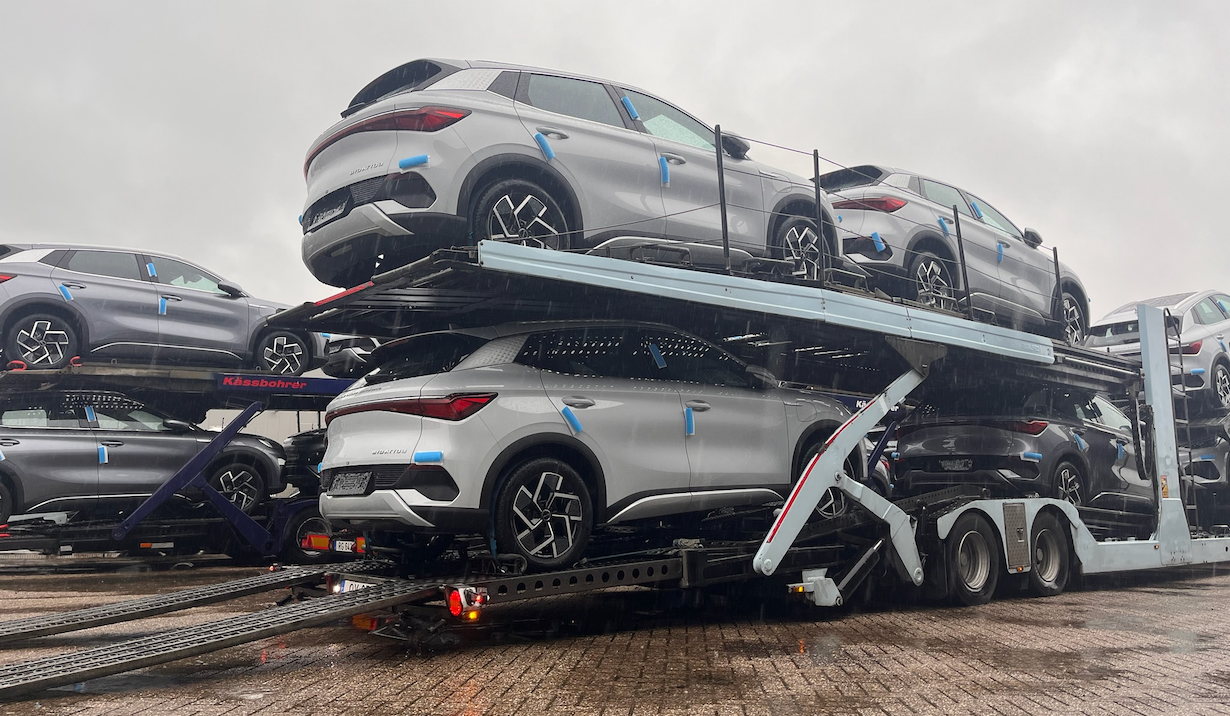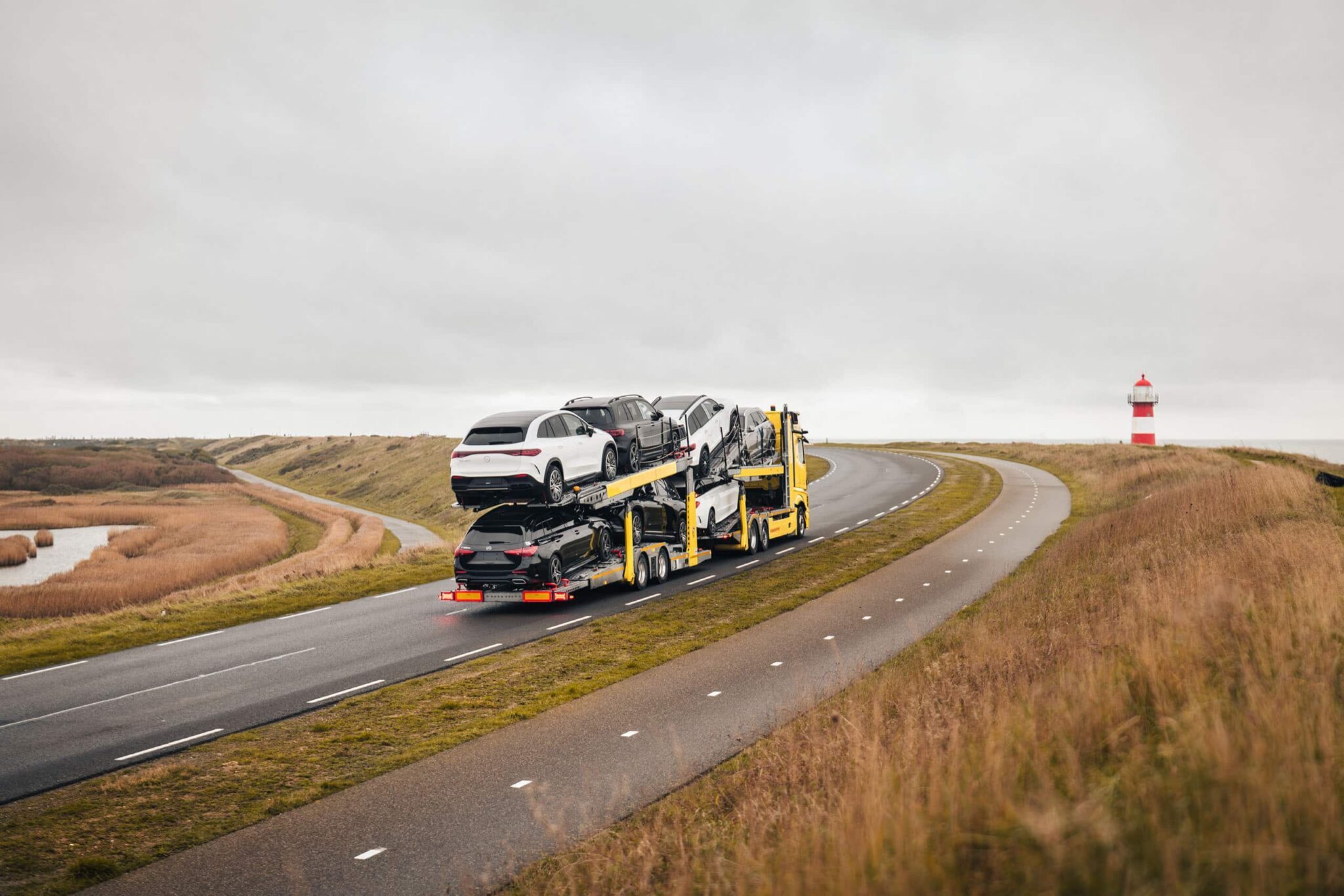
Auto's door Europa verplaatsen kost nog steeds uren van je dag. Telefoontjes met transporteurs, spreadsheets om ophalingen bij te houden, e-mails om leveringen op te volgen: handmatige transportcoördinatie kost tijd die je liever aan verkopen besteedt. Bij autodealer-groepen met meerdere vestigingen telt dat probleem op bij elke extra locatie. We bouwden ons autotransportplatform om dat sneller te maken: directe prijzen, automatisch boeken en live tracking die de oude manier van werken vervangen.
In dit artikel lees je alles over het vervangen van handmatig transportbeheer door een autotransportplatform. Je leert waarom de oude aanpak meer kost dan je denkt, waar je op moet letten bij een platform, en hoe je overstapt zonder je bedrijfsvoering te verstoren.
Belangrijkste inzichten: handmatig transportbeheer vervangen bij autodealer-groepen
- Handmatige transportcoördinatie kost autodealer-groepen tijd en geld door inefficiënte processen en verborgen administratieve lasten.
- Autotransportplatforms leveren directe prijzen, automatisch boeken en live tracking, waardoor telefoontjes, e-mails en spreadsheetbeheer wegvallen.
- We verbinden je met 2.000+ gecertificeerde transporteurs in een pan-Europees netwerk, actief in 24 landen, met directe all-in prijzen.
- Documentautomatisering centraliseert CMR-papieren en verlaagt het compliance-risico bij grensoverschrijdend voertuigvervoer.
- Transport integreren in je bestaande DMS creëert één doorlopende workflow, zodat je team in één systeem blijft werken.
Waarom handmatig transportbeheer meer kost dan je denkt
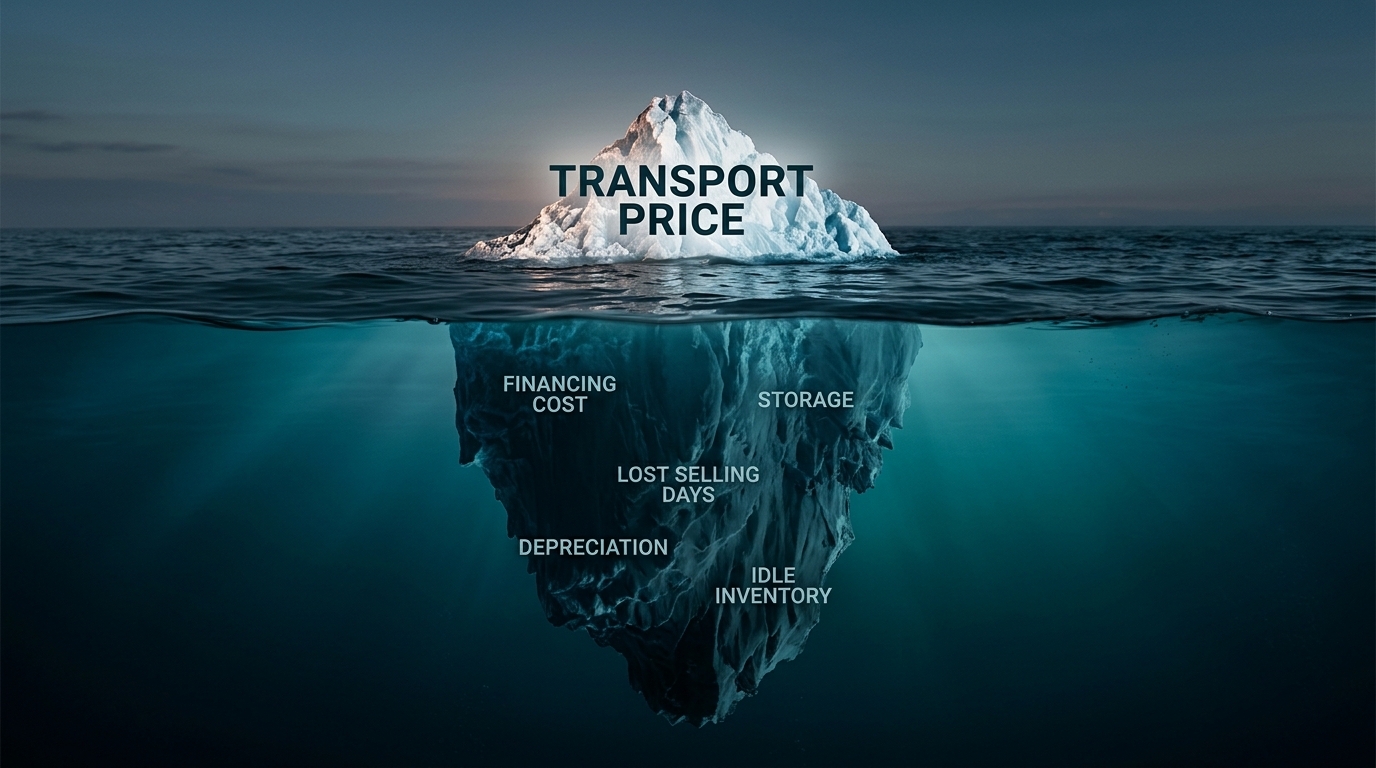
De echte kosten van handmatige transportcoördinatie zitten op plekken die je niet meteen ziet. Elk telefoontje om een ophaling te regelen, elke prijsvergelijking, elke tariefonderhandeling telt op bij honderden voertuigen per jaar. Bij veel autodealer-groepen is dit geen aparte functie — het zit verstopt in iemand anders' taken.
Administratieve lasten voegen daar nog een laag aan toe. Iemand moet elke zending bijhouden, interne systemen updaten, ontbrekende documenten opvolgen en klantvragen over levertijden beantwoorden. Komt een transporteur te laat of raakt een document kwijt, dan moet je team dat oplossen terwijl klanten wachten.
Handmatige processen zorgen ook voor margeverlies. Zonder realtime marktdata weet je niet of je te veel betaalt voor een route. Vaste prijslijsten houden geen rekening met veranderende vraag, brandstofkosten of beschikbare capaciteit, waardoor je onderhandelingspositie wegvalt.
Wat is een autotransportplatform en hoe werkt het?
Een autotransportplatform is een digitaal systeem dat voertuigverkopers — dealers, fleetowners en handelaren — verbindt met een netwerk van gecertificeerde transporteurs. In plaats van rond te bellen voor offertes, voer je je ophaal- en afleverlocatie in en krijg je direct een prijs.
Wij regelen het boeken, betalen en live volgen van ophalen tot aflevering, zodat je op elk moment precies weet waar je voertuig zich bevindt. Documenten zoals de CMR (het verdrag over de overeenkomst voor internationaal wegvervoer van goederen, getekend in Genève in 1956) worden automatisch gegenereerd en centraal opgeslagen. Lees meer over hoe we dit proces digitaliseren in ons eCMR-proefproject.
Voor autodealer-groepen die in meerdere landen actief zijn, haalt een autotransportplatform de complexiteit weg van het beheren van verschillende transporteurs in verschillende markten. Eén login, één interface, één proces — of je nu een auto van Amsterdam naar München verplaatst, of van Rotterdam naar Stockholm.
Wanneer weet je dat je dealerbedrijf moet overstappen van handmatig transport?
Verschillende signalen laten zien dat handmatig transportbeheer je bedrijf remt. Besteedt je team meer tijd aan logistiek regelen dan aan auto's verkopen, dan is dat een duidelijk teken. Transport moet je kernactiviteit ondersteunen, niet opslokken.
Je team verzuipt in administratieve taken
Houd bij hoeveel tijd je medewerkers wekelijks besteden aan transportgerelateerde telefoontjes, e-mails en spreadsheetupdates. Loopt dat op tot meerdere uren, dan verlies je productiviteit die naar verkoop had kunnen gaan. Automatisering neemt het grootste deel van dat werk over.
Je krijgt geen consistente prijzen
Als elke transportofferte onderhandeling vergt, heb je geen basis om te begroten. Ook mis je zo kansen om te zien wanneer een transporteur te veel rekent. Een platform met realtime marktprijzen geeft je transparantie en controle.
Zichtbaarheid op levering is slecht of ontbreekt
Bellen klanten om te vragen waar hun auto is en weet je team het antwoord niet, dan heb je een zichtbaarheidsprobleem. Dat tast vertrouwen aan en zorgt voor extra werk. Met live tracking heb je de leverstatus altijd binnen handbereik.
Grensoverschrijdend vervoer levert kopzorgen op
Internationaal voertuigtransport brengt regelgeving, documentatie en afstemming met transporteurs met zich mee die de complexiteit vermenigvuldigen. Dit handmatig managen over meerdere landen wordt steeds moeilijker houdbaar naarmate je bedrijf groeit.
Waar let je op bij een autotransportplatform voor autodealer-groepen
Niet elk transportplatform is gelijk. Let bij het vergelijken van opties op de volgende factoren om er een te vinden die bij je bedrijfsvoering past.
Netwerkdekking en kwaliteit van transporteurs
Het platform moet je verbinden met een groot netwerk van gescreende, gecertificeerde transporteurs. Wij werken met 2.000+ transportpartners in een pan-Europees netwerk, actief in 24 landen. Certificering van transporteurs is belangrijk: het helpt zorgen dat voertuigen professioneel worden behandeld en dat schadedekking aanwezig is.
Prijsmodel en transparantie
Kies voor all-in prijzen die alles omvatten: geen verborgen toeslagen voor brandstof, tol of documentatie. Realtime prijzen op basis van actuele marktomstandigheden werken beter voor je dan vaste prijslijsten die de realiteit niet volgen.
Boek- en trackingfunctionaliteit
Boeken zou momenten moeten duren, geen uren. Eenmaal geboekt heb je live tracking nodig die locatie en verwachte levertijd toont. Automatische statusupdates houden je team en klanten op de hoogte, zonder handmatig opvolgen.
Integratiemogelijkheden
Werk je met een Dealer Management System (DMS), check dan of het transportplatform API-integratie met DMS-leveranciers biedt. Ingebouwde transportfunctionaliteit houdt je team in één systeem, in plaats van te schakelen tussen tools. Wij brengen API-integratie direct in je bestaande workflow.
Documentbeheer
Grensoverschrijdend voertuigvervoer vraagt om correcte documentatie. Het platform moet CMR-papieren automatisch genereren en centraal opslaan voor makkelijke toegang. Dat vereenvoudigt compliance en verlaagt het risico op ontbrekende documenten.
Stap voor stap: van handmatig transport naar een platform
Overstappen van handmatige transportcoördinatie naar een platform hoeft je bedrijfsvoering niet te verstoren. Zo pak je de overgang systematisch aan.
Stap 1: analyseer je huidige transportprocessen
Leg vast hoe transport nu werkt. Wie regelt het? Hoe lang duurt elke boeking? Wat zijn je gemiddelde kosten per route? Waar ontstaan meestal problemen? Deze nulmeting helpt je de verbetering na de overstap te meten.
Stap 2: bereken je werkelijke transportkosten
Tel alles op: transporteurskosten, tijd van je personeel, administratieve lasten en kosten door problemen zoals late leveringen of beschadigde voertuigen. Veel autodealer-groepen onderschatten hun werkelijke kosten, omdat de arbeidstijd over meerdere functies verspreid is.
Stap 3: vergelijk platformopties
Onderzoek beschikbare platforms en vergelijk ze met je eisen. Vraag om demo's, informeer naar het transporteursnetwerk en vraag door op het prijsmodel. Test de interface om zeker te zijn dat je team het platform ook echt gaat gebruiken.
Stap 4: start met een pilot
Stap niet in één keer volledig over. Kies één locatie of één type transport, zoals veilingophalingen, en laat dat een maand via het platform lopen. Vergelijk de resultaten met je nulmeting.
Stap 5: train je team
Of een platform aanslaat, hangt af van hoe goed je team het begrijpt. Plan trainingssessies en maak korte referentiegidsen. De meeste platforms hebben een intuïtieve interface, maar formele training versnelt de adoptie.
Stap 6: rol uit over alle locaties
Zodra de pilot succesvol is, breid je uit naar andere locaties en transporttypes. Houd tijdens de uitrol belangrijke cijfers bij, zoals boektijd, transportkosten en klanttevredenheid.
Hoe autotransportplatforms verborgen kosten in dealerlogistiek verlagen
Naast de duidelijke tijdsbesparing verlagen autotransportplatforms kosten op manieren die niet meteen zichtbaar zijn.
Minder lege kilometers
Handmatig boeken laat vaak kansen liggen om zendingen te combineren of lege laadruimte te vullen. Wij gebruiken ons spotfilling-algoritme om beschikbare laadruimte te matchen met voertuigen die vervoerd moeten worden, wat lege kilometers vermindert en de efficiëntie in ons netwerk verhoogt.
Minder administratieve last
Elke handmatige e-mail, elk telefoontje, elke spreadsheetupdate kost geld. Automatisering neemt routinetaken over, waardoor je personeel tijd overhoudt voor werk dat omzet oplevert. Documenten worden automatisch aangemaakt en opgeslagen, zonder handmatig werk.
Margeverlies voorkomen
Ken je de marktprijs voor een route niet, dan kun je niet effectief onderhandelen. Realtime prijzen op basis van werkelijke vraag en aanbod geven je een sterkere positie, zodat je weet wat transport zou moeten kosten vóórdat je akkoord gaat.
Snellere doorlooptijd van voertuigen
Sneller transport betekent dat auto's eerder op je terrein staan, en dus sneller verkocht kunnen worden. Elke dag dat een auto op transport wacht, is een dag dat hij geen omzet oplevert. Een platform met voldoende capaciteit en korte laadtijden helpt die vertraging te beperken.
Integratiemogelijkheden: transport koppelen aan je dealer management systeem
De meest efficiënte autodealer-groepen gebruiken een transportplatform niet los, maar integreren het direct in hun bestaande systemen. Dat creëert één workflow, waarbij transport rechtstreeks vanuit het DMS wordt gestart.
API-first architectuur
Moderne transportplatforms zijn gebouwd voor integratie. Ze bieden API's (Application Programming Interfaces) waarmee je DMS rechtstreeks communiceert met het transportsysteem. Sluit je een verkoop af in je DMS, dan wordt de transportboeking automatisch gestart.
Voordelen van ingebouwd transport
Bij ingebouwde integratie verlaat je team het DMS nooit. Prijzen, boeken, tracking en statusupdates verschijnen allemaal binnen het systeem dat ze al gebruiken. Dat verlaagt de trainingsbehoefte en haalt de wrijving weg van schakelen tussen tools.
Realtime datastroom
Bij goede integratie stroomt de leverstatus automatisch terug naar je DMS. Je klantenservice ziet actuele informatie zonder een apart systeem te checken, wat de reactietijd en klanttevredenheid verbetert.
Hoe wij autodealer-groepen helpen bij het vervangen van handmatig transport
We bouwden ons platform om de uitdagingen van autodealer-groepen op het gebied van voertuiglogistiek op te lossen, en verbinden je met een pan-Europees netwerk van gecertificeerde transportpartners, actief in 24 landen.
We bevestigen all-in prijzen vooraf, zonder verborgen kosten, zodat je precies weet wat transport kost vóórdat je boekt. Live tracking houdt je op de hoogte van ophalen tot aflevering, met automatische meldingen bij elke stap.
Voor autodealer-groepen met meerdere locaties bieden we een centraal dashboard waarin je alle transportactiviteit beheert: één overzicht over elke vestiging, een consistent proces en rapportagedata op één plek.
We regelen ook de documentatie die grensoverschrijdend transport vereist. CMR-papieren worden automatisch gegenereerd en opgeslagen in je account, klaar om op te halen — dat vereenvoudigt compliance-audits en verlaagt het risico op fouten in de papieren.
Zie hoe een van onze klanten dit in de praktijk brengt: hoe Tanghe Automotive meer verkoopt met TransConnect.
Duurzaamheidsvoordelen van overstappen op een autotransportplatform
Milieubewustzijn wordt steeds belangrijker voor klanten en toezichthouders. Autotransportplatforms kunnen autodealer-groepen helpen hun voetafdruk te verkleinen.
Geoptimaliseerde routeplanning
Platforms gebruiken algoritmes om efficiënte routes te plannen en ladingen te combineren, wat het totale aantal gereden kilometers verlaagt ten opzichte van losse boekingen zonder optimalisatie.
Minder lege ritten
Rijdt een transporteur na een levering leeg terug, dan is dat verspilde brandstof en onnodige uitstoot. Ons spotfilling-algoritme matcht beschikbare laadruimte met voertuigen die vervoerd moeten worden, wat lege kilometers in het netwerk vermindert en de ecologische voetafdruk van voertuiglogistiek helpt verkleinen.
CO₂-monitoring en compensatieopties
Sommige platforms bieden CO₂-monitoring en compensatieprogramma's. Wij ondersteunen duurzaam autotransport met opties zoals biofuel swap en CO₂-compensatie, zodat je de milieu-impact van je voertuiglogistiek kunt meten en verlagen.
Veelvoorkomende uitdagingen bij de overstap van handmatig transport en hoe je ze oplost
Elke operationele verandering brengt wrijving met zich mee. Zo pak je de meest voorkomende obstakels aan bij het invoeren van een autotransportplatform.
Weerstand bij medewerkers tegen nieuwe processen
Mensen die gewend zijn aan bestaande werkwijzen kunnen terughoudend reageren op verandering. Betrek ze vroeg, laat zien hoe het platform hun werk makkelijker maakt, en vier vroege successen tijdens de pilotfase.
Zorgen over het verlies van relaties met transporteurs
Sommige dealers vrezen dat een platform gebruiken betekent dat ze directe relaties met vertrouwde transporteurs verliezen. In de praktijk verruimen platforms je opties, zonder dat je specifieke transporteurs voor bepaalde routes minder kunt inschakelen.
Datamigratie en systeeminrichting
Starten vraagt wat voorbereidend werk: accounts aanmaken, voorkeuren instellen en eventueel koppelen met je DMS. Kies een platform dat tijdens onboarding gerichte ondersteuning biedt, zodat dit soepel verloopt.
ROI meten tijdens de overgang
Houd vanaf dag één specifieke cijfers bij: tijd per boeking, kosten per route, leverbetrouwbaarheid en personeelsuren aan transporttaken. Vergelijk dit met je nulmeting om concrete waarde aan te tonen.
Toekomstige ontwikkelingen in transportbeheer voor autodealers
De verschuiving van handmatig naar platformgebaseerd transport maakt deel uit van een bredere transformatie in de automotive logistiek. Weten waar de sector naartoe gaat, helpt je voorbereid te zijn op wat komt.
Meer automatisering door AI
Kunstmatige intelligentie verbetert al routeoptimalisatie en vraagvoorspelling. Verwacht dat platforms steeds beter worden in het voorspellen van transportbehoefte en het voorstellen van optimale boekmomenten op basis van marktomstandigheden.
Diepere systeemintegratie
Transportplatforms integreren steeds dieper met andere dealersystemen: voorraadbeheer, CRM, financiële software. Het doel is één verbonden geheel waarin data automatisch tussen al je operationele tools stroomt.
Toenemende regeldruk op duurzaamheid
Europese regelgeving rond emissies en milieurapportage wordt strenger. Autodealer-groepen die duurzame logistiek kunnen aantonen, hebben een voordeel op het gebied van compliance en klantperceptie.
Complexiteit van elektrische-voertuiglogistiek
De opkomst van EV's brengt nieuwe transportuitdagingen met zich mee rond laadstatusvereisten en specialistische behandeling. Platforms met EV-ervaren transporteursnetwerken worden steeds waardevoller.
Je potentiële besparing berekenen met een autotransportplatform
Voordat je overstapt, is het goed om te weten wat je kunt winnen. Hier is een aanpak om je potentiële besparing te berekenen.
Tijdsbesparing berekenen
Schat hoeveel uur je team nu wekelijks besteedt aan boekingen, telefoontjes en opvolging. Vermenigvuldig dat met je loonkosten. Vergelijk dat met de bijna-directe boektijd die een platform biedt, en je ziet hoeveel van die uren teruggewonnen kunnen worden voor verkoop.
Kostenbesparing inschatten
Vergelijk je huidige gemiddelde transportkosten per route met de platformprijzen voor dezelfde routes. Reken ook verborgen kosten mee die je nu betaalt en die bij all-in platformprijzen zijn inbegrepen.
Efficiëntiewinst
Reken mee: snellere doorlooptijd van voertuigen, minder administratieve fouten en minder klantklachten over leverzichtbaarheid. Dit is moeilijker te kwantificeren, maar vertegenwoordigt reële operationele verbetering.
De overstap naar platformgebaseerd transportbeheer
Handmatig transportbeheer werkte toen autodealer-groepen een handvol auto's per maand verplaatsten. Op schaal wordt het een bottleneck die tijd, geld en energie van je team opslokt. Het alternatief is duidelijk: autotransportplatforms die het zware werk automatiseren en je meer zicht en controle geven.
De overstap hoeft niet ingewikkeld te zijn. Begin met een helder beeld van je huidige kosten, vergelijk platforms met je specifieke behoeften, en test met een pilot voordat je volledig overstapt. Met het juiste platform wordt transport iets dat je bedrijf ondersteunt, in plaats van opslokt.
Wil je zien wat dit voor jouw autodealer-groep betekent? Boek een transport of neem contact op met ons team.
Veelgestelde vragen over het vervangen van handmatig transportbeheer bij autodealer-groepen
Wat is een autotransportplatform?
Een autotransportplatform is een digitaal systeem dat voertuigverkopers verbindt met gecertificeerde transporteurs. Je voert ophaal- en afleverdetails in, krijgt direct een prijs, boekt in een paar klikken en volgt de levering realtime. Wij bieden een pan-Europees netwerk, actief in 24 landen, met directe all-in prijzen.
Kunnen autotransportplatforms integreren met bestaande DMS-systemen?
Ja. Wij bieden API-integratie die transport rechtstreeks in je Dealer Management System inbedt. Boeken, tracken en statusupdates gebeuren binnen het systeem dat je team al gebruikt, wat één doorlopende workflow creëert zonder tussen tools te schakelen.
Welke documentatie regelt een autotransportplatform automatisch?
Platforms automatiseren het genereren van de CMR (het verdrag over de overeenkomst voor internationaal wegvervoer van goederen) en andere transportdocumenten die nodig zijn bij grensoverschrijdend voertuigvervoer. Wij bewaren alle documenten centraal in je account, klaar om terug te vinden bij compliance-audits.
Hoe verbeteren autotransportplatforms de duurzaamheid voor autodealer-groepen?
Platforms optimaliseren ladingen en routes in hun transporteursnetwerk, wat lege kilometers en het totale brandstofverbruik verlaagt. Wij bieden duurzame opties, waaronder biofuel swap en CO₂-compensatieprogramma's, waarmee je de milieu-impact van je voertuiglogistiek kunt meten en verlagen.
Is overstappen naar een autotransportplatform moeilijk voor kleine dealers?
Helemaal niet. De meeste platforms zijn ontworpen voor eenvoudig gebruik met een intuïtieve interface, en je kunt binnen enkele minuten na het aanmaken van een account al transport boeken. Voor kleine dealers rechtvaardigt de tijdsbesparing per transport de overstap vaak al bij lage volumes.