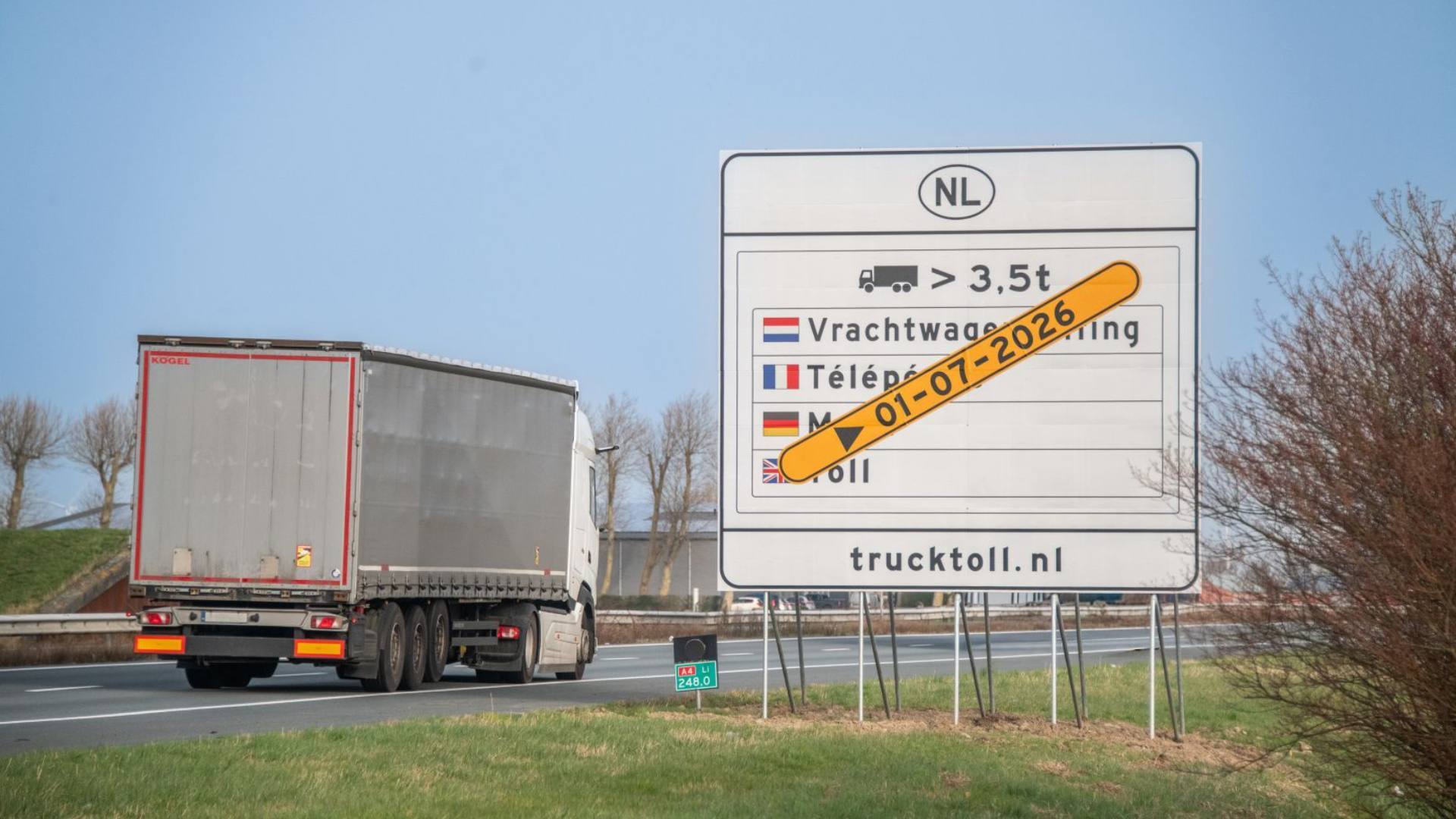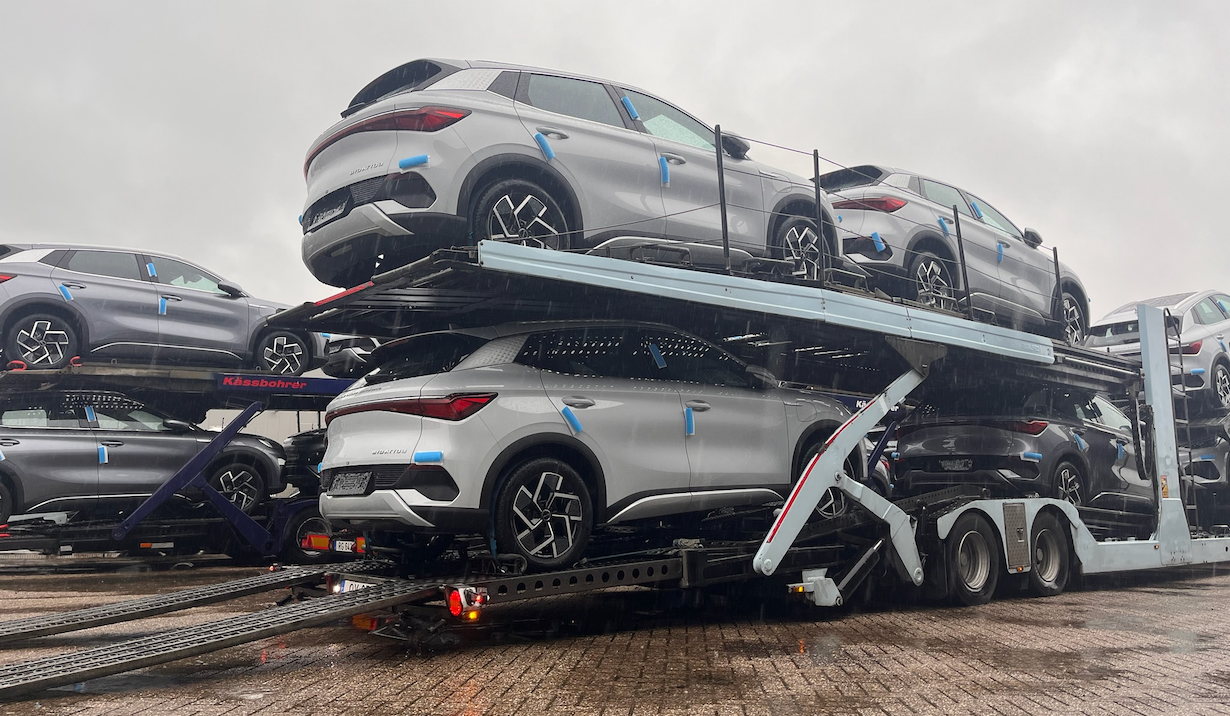
De vrachtwagenheffing wordt in Nederland per 1 juli 2026 ingevoerd. Vanaf dat moment betalen eigenaren van vrachtwagens in de categorieën N2 en N3 per gereden kilometer. Daarmee verschuiven transportkosten nadrukkelijk van vaste lasten naar variabele kosten: hoe meer kilometers, hoe hoger de rekening.
Een Europees kostenbeeld vindt u in onze analyse van wat een rit van 500 kilometer tol in 2026 in Duitsland, Oostenrijk, Frankrijk, België en Nederland werkelijk kost.
De regeling vervangt het Eurovignet en gaat gelden voor zowel Nederlandse als buitenlandse vrachtwagens van meer dan 3.500 kilo. Tegelijk wordt de motorrijtuigenbelasting verlaagd of afgeschaft, afhankelijk van het voertuiggewicht.
Betalen naar gebruik
De hoogte van de heffing hangt af van het aantal gereden kilometers, de toegestane maximummassa en de CO₂-uitstoot van het voertuig. Schonere en lichtere vrachtwagens betalen minder, zwaardere en vervuilendere voertuigen meer.
Met behulp van een on-board unit (OBU) wordt automatisch geregistreerd hoeveel kilometers een vrachtwagen aflegt op wegen waar de heffing geldt. De kosten worden vervolgens via een toldienstaanbieder gefactureerd.
Directe impact op bedrijfsvoering
Doordat transporteurs per kilometer betalen, ongeacht of een vrachtwagen leeg of vol rijdt, wordt efficiëntie doorslaggevend. Lege kilometers drukken direct op de marge en zijn niet langer een abstract optimalisatieprobleem, maar een concrete kostenpost.
Daarmee neemt het belang van een hoge beladingsgraad sterk toe. Hoe beter een rit wordt benut, hoe lager de kosten per vervoerde eenheid. Bedrijven die hun netwerk, planning en routes efficiënt organiseren, krijgen een duidelijk concurrentievoordeel.
Dat is ook de reden waarom vaste prijslijsten steeds minder houdbaar worden — zie ons artikel over de risico's van vaste transportprijzen voor de bredere prijslogica.
Slimme bundeling van lading en het opvullen van lege capaciteit worden daarmee geen luxe optimalisaties meer, maar voorwaarden om rendabel te blijven.
Verschuiving in de sector
De vrachtwagenheffing dwingt transportbedrijven tot scherpere keuzes in hun operatie. Denk aan:
- efficiëntere routeplanning
- het combineren van ladingen
- het minimaliseren van lege kilometers
- beter inzicht in transportstromen
De mate waarin de extra kosten worden doorberekend aan klanten zal verschillen per vervoerder en marktsituatie. Tegelijk zet de maatregel druk op marges in een sector die al sterk concurrerend is.
Voor transportpartners die zijn aangesloten op een digitaal platform, ontstaat hierdoor ook de kans om lege ritten te vullen die anders ongebruikt zouden blijven.
Stimulans voor verduurzaming
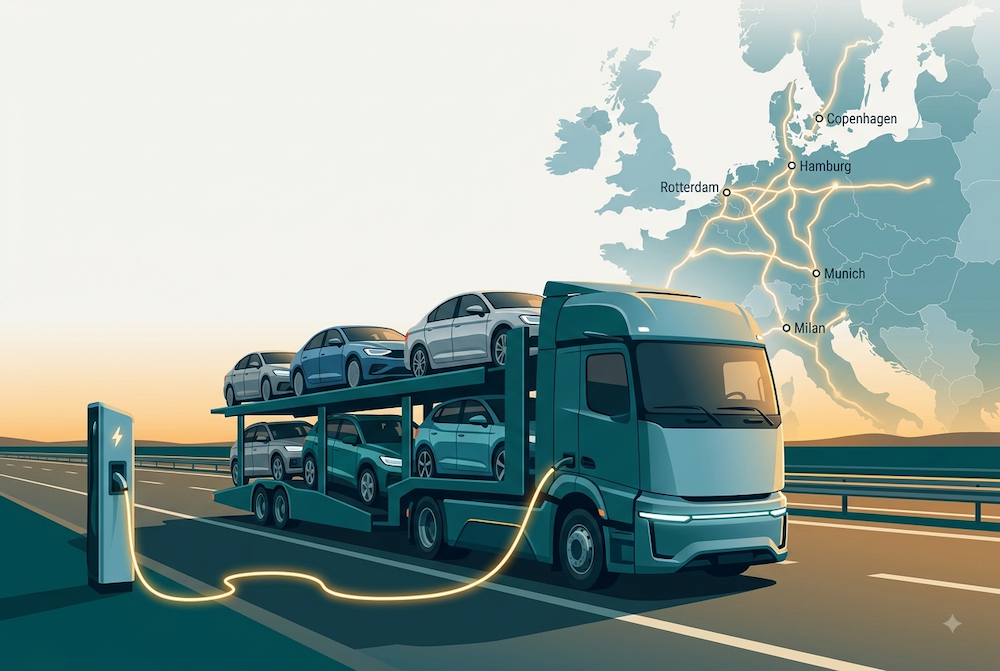
Naast efficiëntie is duurzaamheid in autotransport een belangrijk doel van de heffing. Omdat tarieven deels afhankelijk zijn van uitstoot, worden schonere voertuigen financieel aantrekkelijker. Subsidies moeten de overstap naar emissievrij transport versnellen.
Een aanzienlijk deel van de opbrengsten van de heffing wordt bovendien ingezet om innovatie in de transportsector te stimuleren.
Europese context
Met de invoering van de vrachtwagenheffing sluit Nederland aan bij een bredere Europese trend waarin vrachtverkeer betaalt naar gebruik van de weg. Ook buitenlandse vervoerders dragen daardoor bij aan het gebruik van de Nederlandse infrastructuur.
Dit is een van de drijfveren achter de structurele verandering in 2026 die de prijsstelling en werking van het wegvervoer beïnvloedt.
Conclusie
De kern van de maatregel is eenvoudig: elke kilometer telt. Maar de gevolgen zijn verstrekkend. Transportbedrijven worden afgerekend op efficiëntie, benutting en organisatievermogen. In die nieuwe realiteit verschuift het concurrentievoordeel naar partijen die hun logistiek tot in detail beheersen.